





Germany is one of the most popular study destinations in the world, especially for students looking for high-quality education at low or no tuition fees. Public universities offer globally recognized degrees, and cities like Berlin, Munich, and Hamburg provide strong academic and professional opportunities.
On paper, the process looks straightforward. But once students start applying, it quickly becomes more complex than expected. From APS certification and blocked accounts to uni-assist applications, motivation letters, language requirements, and health insurance rules, each step adds another layer of planning and documentation.
At some point, most applicants wonder, should I just hire Germany study consultants to help me with this? That question is worth answering properly, because the answer isn’t the same for everyone.
Do you actually need consultants to study in Germany?
Here’s an honest take: a lot of students don’t. If you’re applying to one program, the university’s website is in English, and your documents are clean with no gaps or transfers, you can absolutely do this yourself. DAAD (Germany’s official academic exchange service) has free, detailed guidance on almost every step. Uni-assist has tutorials. Official channels exist for a reason.
But not every application is that clean. Students applying from India, China, Vietnam, and certain other countries need APS verification before they can even apply to most German universities, and that process alone has its own timeline, document requirements, and prep work. Students managing applications to five or six universities across different portals have a real coordination problem. Students with a non-linear academic history (gaps, transfers, and reappeared exams) need to present those details carefully.
For them, a Germany study consultant is a practical decision that reduces the chance of a fixable mistake costing them an entire application cycle.
Also Read: Planning to Study in Germany? These Requirements Surprise Most Students
What Germany study consultants can and cannot do
This part tends to be oversold, so let’s be clear about both sides.
A good consultant will help you figure out which programs actually match your profile, not just which ones sound prestigious. They’ll review your motivation letter and push back if it’s generic. They’ll walk you through the blocked account setup (typically through Fintiba or Expatrio), explain what goes in your visa appointment folder, and flag if something in your document set is going to cause problems.
What they cannot do is get you in somewhere you don’t qualify for. They can’t guarantee a visa. They can’t sit in on your APS interview or submit applications that require your personal login credentials. And they definitely can’t write a compelling motivation letter if you haven’t told them anything real about yourself.
The best Germany study consultants are honest about this scope. They’re navigators, not fixers.
When using a consultant makes sense (and when it doesn’t)
Think about it this way: a Germany study consultant earns their fee when the process is genuinely complex, and you’re paying for expertise you’d otherwise spend weeks building from scratch.
That’s the case if you’re from an APS-required country (India, China, Vietnam, Mongolia, and a few others). The APS process involves submitting original documents, scheduling an in-person interview in some countries, and waiting weeks for a certificate, and errors at this stage can delay your entire application by a semester. If you’re navigating this for the first time, someone who’s done it dozens of times is worth paying.
It also makes sense if you’re applying to multiple programs across Germany, especially if some use uni-assist and others take direct applications. Deadlines, portal requirements, and document formats vary. Managing five applications simultaneously is a project management challenge, not just an admissions one.
On the other hand, if you’re a second-time international applicant, or you’re applying to a single well-documented program at a university with good English-language support, you probably don’t need to pay anyone. Spend that money on your blocked account instead.
Red flags to watch for before choosing a consultant
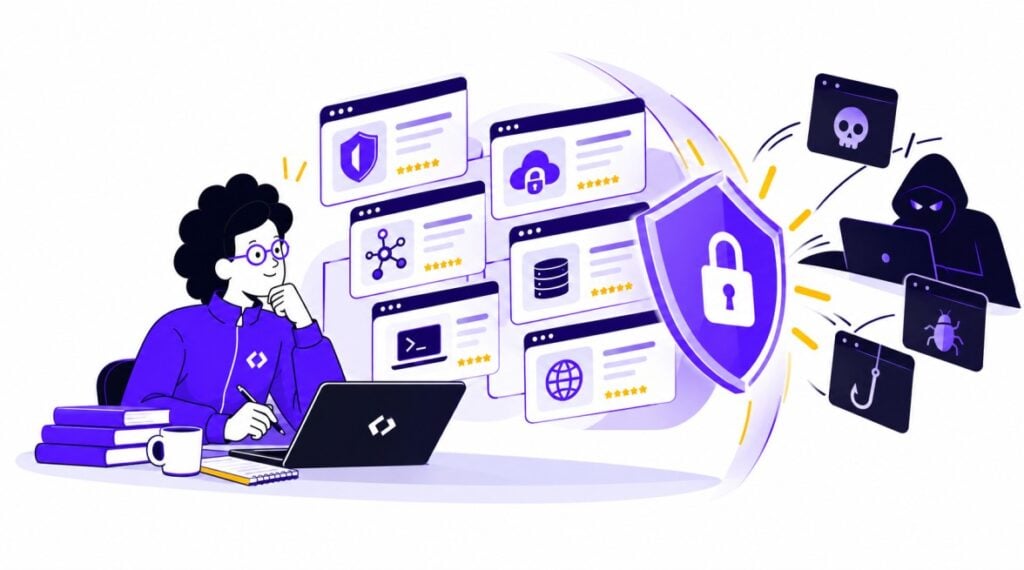
The international education consulting industry is largely unregulated, and Germany’s popularity has brought in operators who are better at selling than advising. A few things to watch for:
- Any consultant who guarantees admission or a visa should be dismissed immediately. No one can promise this. German universities make independent decisions, and consulates are sovereign. A guarantee is either a lie or a misunderstanding of how any of this works.
- Be cautious with Germany study consultants who can’t speak specifically to your profile during a first conversation. If they’re asking generic questions and giving generic answers, they’re running a volume business, not a personalized one. Also watch for upfront fees with no written scope of work, vague testimonials with no university names or years, and anything resembling artificial urgency (“seats are limited,” “this offer expires Friday”).
- Legitimate study consultants ask hard questions early. They tell you when a program might be out of reach. They talk about realistic timelines. If everything sounds easy and exciting with no caveats, that’s a performance, not consulting.
How to choose reliable consultants to study in Germany
Start by testing their Germany-specific knowledge before you pay anything. Ask them about the APS process, the difference between uni-assist and direct university applications, and the blocked account requirement. If the answers are vague or they pivot to a sales pitch, that tells you something.
Then look for specific outcomes. Not “helped 500 students get into Germany” but actual program names, universities, and application years. Real consultants who do good work have specific stories. If they can’t give you those, ask yourself why.
Understand what’s actually included in what you’re paying for. Some consultants offer end-to-end support from shortlisting through visa prep. Others just review documents. Both can be valuable, but only if you know which one you’re buying. Get it in writing.
Finally, pay attention to how they communicate before you’re a paying client. Slow responses, vague language, and an unwillingness to answer pre-sale questions are all previews of what working with them will feel like.
Alternatives to traditional consultants to study in Germany
Traditional consultants depend heavily on individual experience. That means advice can vary widely from one counselor to another, even for students with similar academic profiles. In many cases, the shortlist reflects personal familiarity more than actual admission probability.
GradRight approaches this differently. Instead of relying on individual judgment, we use a data-driven matching system that evaluates your profile against real admission patterns. The focus shifts from “what sounds right” to “what you are actually eligible for,” helping you avoid unrealistic or overly generic recommendations.
Explore GradRight to identify the universities that truly fit your profile and make more confident application decisions.







 Australia
  Canada
  France
  Germany
  India
India  Ireland
  UAE
UAE  United Kingdom
  United States