





TL;DR: International student health insurance is essential for studying abroad, but many students choose the wrong plan by opting for travel insurance, ignoring coverage limits, missing university requirements, or delaying purchase. The right student medical insurance abroad should include hospital care, prescriptions, mental health coverage, and emergency medical evacuation. A strong global student insurance plan ensures university compliance while protecting against high healthcare costs abroad at an affordable price.
Packing your bags, booking your flight, and mapping out a new life in a foreign country is equal parts exciting and overwhelming. Between visa paperwork, housing applications, and tuition deadlines, health coverage often gets squeezed into the final hour, and that’s exactly when costly mistakes happen.
International student health insurance isn’t a box to check. It’s the financial safety net that stands between you and a $40,000 hospital bill in the US, or a medical evacuation you never budgeted for. Yet year after year, students enroll in the wrong plan, underprepared for what they actually need.
Here’s a look at the seven most common mistakes international students make when choosing their health insurance coverage and how to avoid every single one of them.
7 mistakes students make when buying international student health insurance
These are the patterns that show up repeatedly among students navigating insurance for the first time, often in a country they’ve just arrived in.
Mistake 1: Buying Travel Insurance Instead of Health Insurance
Travel insurance and international student health insurance are not the same thing, even though they sound similar. Travel insurance is designed for short trips – lost luggage, canceled flights, maybe a broken ankle on a ski slope. It usually covers emergencies only, and its coverage period is limited.
Medical insurance for students abroad, on the other hand, is built for long-term stays. It covers doctor visits, lab tests, specialist consultations, mental health support, and preventive care over months or years. If you’re studying abroad for a full academic year and you’ve only purchased a travel policy, you could find yourself completely unprotected for routine illnesses, ongoing prescriptions, or anything that isn’t classified as an “emergency.”
The fix? Always look specifically for plans marketed as international student health insurance, and confirm the policy duration matches your enrollment period.
Mistake 2: Ignoring Coverage Limits and Exclusions
Every insurance plan has a ceiling – a maximum amount it will pay out per incident, per year, or over your lifetime. Many students choose a plan without checking these numbers and assume they’re covered, only to hit the limit mid-treatment.
Common exclusions in international student health insurance include:
- Pre-existing conditions (many plans won’t cover illnesses diagnosed before enrollment)
- Mental health treatment (often severely limited or entirely excluded in budget plans)
- Dental and vision care
- Sports injuries, especially for high-risk activities
- Pregnancy and maternity care
Read the policy’s exclusions section before you commit. It’s the part nobody wants to read, but it’s where the real picture hides.
Also Read: How to Save Money on Student Health Insurance Without Compromising Coverage
Mistake 3: Choosing the Cheapest Plan Without Comparison
Budget pressure is real for international students. But picking the lowest-premium plan without comparing coverage is a trade-off that can backfire quickly. A plan that costs $30 less per month might have a $5,000 higher deductible or exclude the exact care you end up needing.
When comparing insurance for foreign students, look beyond the premium. Evaluate the deductible (what you pay before insurance kicks in), the copay structure, the network of covered providers, and whether you need a referral to see a specialist. Sometimes a plan that costs slightly more per month saves you thousands when you actually use it.
A useful rule of thumb: the real cost of any insurance plan is the premium plus the potential out-of-pocket expenses. Compare that total across plans, not just the monthly fee.
Mistake 4: Not Checking University Requirements
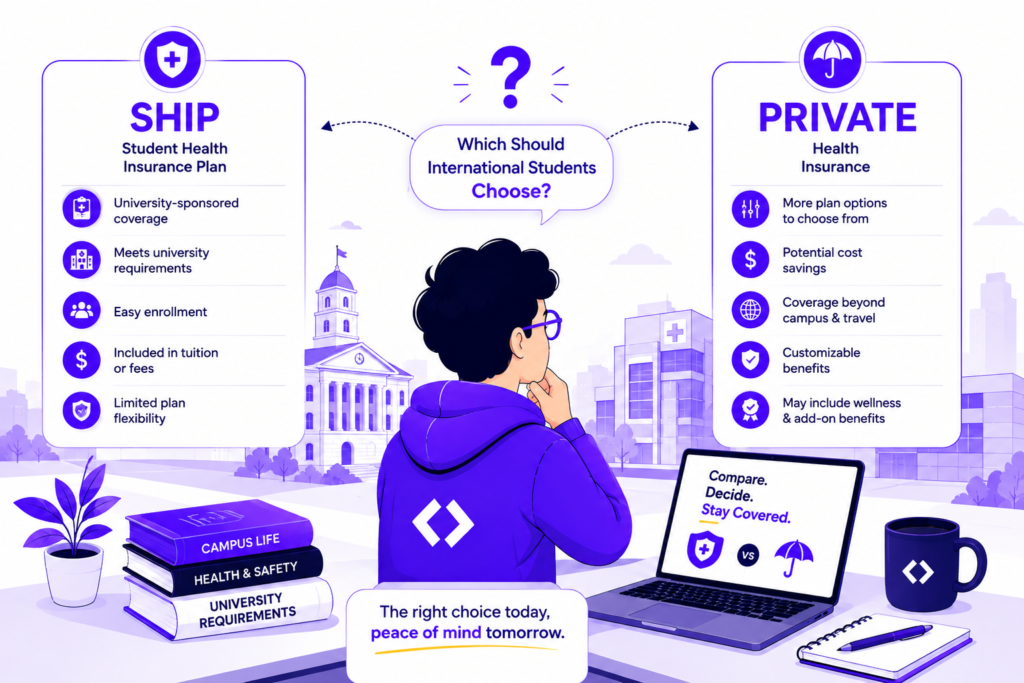
Here’s something a lot of students overlook until it’s too late: many universities require students to carry a specific minimum level of coverage. Some schools in the US, for example, mandate plans that meet ACA-equivalent standards, with minimum coverage amounts for hospitalization, physician visits, and prescription drugs.
If your global student insurance plan doesn’t meet those thresholds, your university may automatically enroll you in their school plan and charge you for it, even if you’ve already paid for a separate policy. That’s double coverage you didn’t want and didn’t budget for.
Before purchasing any plan, download your university’s student insurance requirements from their health services portal. Match those requirements line by line with any plan you’re considering.
Mistake 5: Overlooking Emergency and Evacuation Coverage
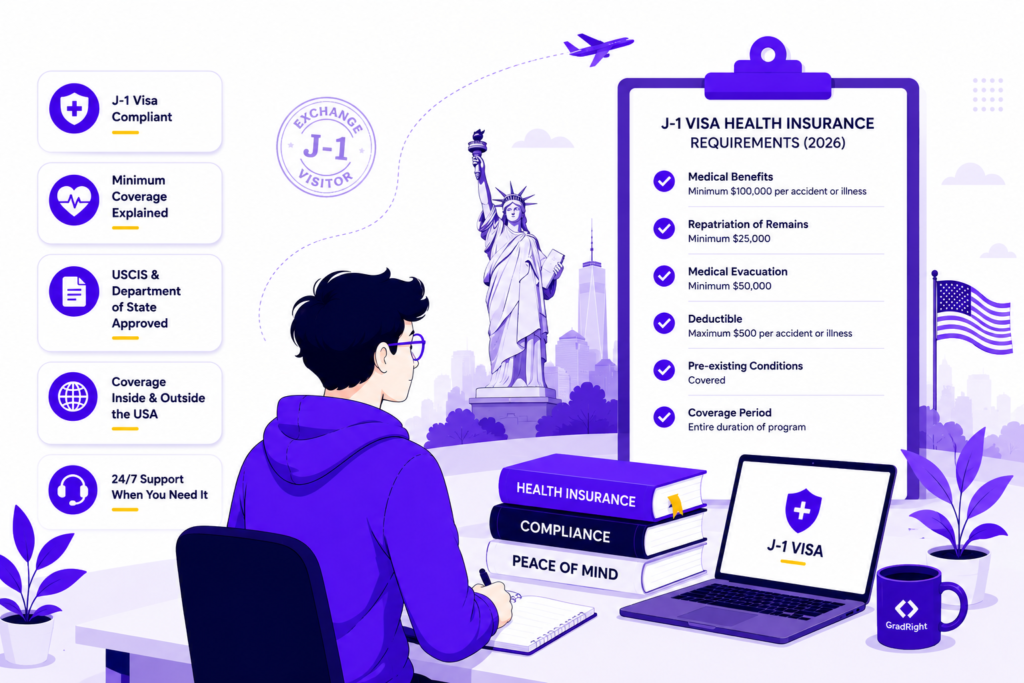
Students often focus on day-to-day medical coverage and completely overlook what happens in a genuine crisis. If you suffer a serious injury or illness that requires specialized treatment, you may need to be transported to another city, or back to your home country. That’s called a medical evacuation, and it can cost anywhere from $15,000 to over $100,000 without insurance coverage.
Emergency evacuation coverage is a standard feature in quality international student health insurance plans, but it’s frequently missing or severely limited in cheaper alternatives. Repatriation coverage, which covers the cost of returning your remains to your home country in the event of death, is another provision worth checking, as grim as that sounds.
When reviewing any plan, look for a dedicated “Emergency Assistance” or “Evacuation and Repatriation” section. Confirm the coverage amount and whether it applies globally or only within specific regions.
Mistake 6: Assuming Home Country Insurance Works Abroad
This is one of the most common assumptions, and one of the most expensive. Students from countries with universal healthcare sometimes assume their government coverage travels with them. It generally does not.
Even if your home country’s public health plan offers some international coverage, it’s usually minimal, limited to emergencies, and may require you to pay upfront and seek reimbursement later – a process that can take months. Private health plans from your home country are similarly restricted: most are designed for domestic use only.
The moment you become a full-time international student, you likely need dedicated international student health insurance. Verify your home coverage in writing before you travel, and don’t assume.
Mistake 7: Leaving It to the Last Minute
Insurance bought in a hurry is often insurance bought wrong. When you’re scrambling to complete visa requirements or course registrations, it’s easy to grab the first plan that appears to meet the minimum requirements. That approach leaves no time to compare plans, read exclusions, or check for pre-existing condition clauses.
Many insurance plans for foreign students also have waiting periods – a stretch of time after enrollment begins before certain coverage activates. If you buy your plan the week you land, you may be unprotected for the first 30 to 90 days of your stay.
Start the process at least 6 to 8 weeks before your departure date. That window gives you time to research properly, ask questions, and get coverage active before you need it.
How to review any insurance plan before buying
Once you’ve shortlisted a few international student health insurance options, use this checklist before committing:
- Coverage duration: Does the policy cover your full enrollment period, including any optional practical training (OPT) or internship semesters?
- Deductible and copay: What do you pay out of pocket before insurance covers the rest? Is there a per-visit copay for doctor’s appointments?
- Coverage limits: Is there an annual maximum? A per-condition maximum? Are they high enough to cover a hospitalization or surgery in your host country?
- Network access: Does the plan work with providers near your campus? Is there a directory you can search?
- Pre-existing conditions: Are they covered? If so, after what waiting period?
- Mental health coverage: Are therapy and psychiatric care included? What’s the session limit?
- Emergency evacuation: What’s the coverage amount, and does it include repatriation?
- University compliance: Does the plan satisfy your school’s minimum requirements?
If a plan can’t answer all of these clearly in its policy documents, that’s a red flag.
Also Read: Mistakes to Avoid When Choosing Student Health Insurance
Where to find the right insurance guidance
International student health insurance can feel complex at first, especially with so many plan types, coverage levels, and requirements to consider. Once you break it down, the key is simple: understand what is covered, match it to your university and visa requirements, and ensure it fits your personal healthcare needs and budget.
At GradRight, we know international student insurance is just one of many decisions you’re handling during your application journey. That’s why we focus on helping students clearly compare options, understand requirements, and avoid costly mistakes.
If you’re still deciding on your coverage, you can connect with our team for help. We’ve helped thousands of students navigate exactly this process, and we’d love to help you too.







 Australia
  Canada
  France
  Germany
  India
India  Ireland
  UAE
UAE  United Kingdom
  United States