




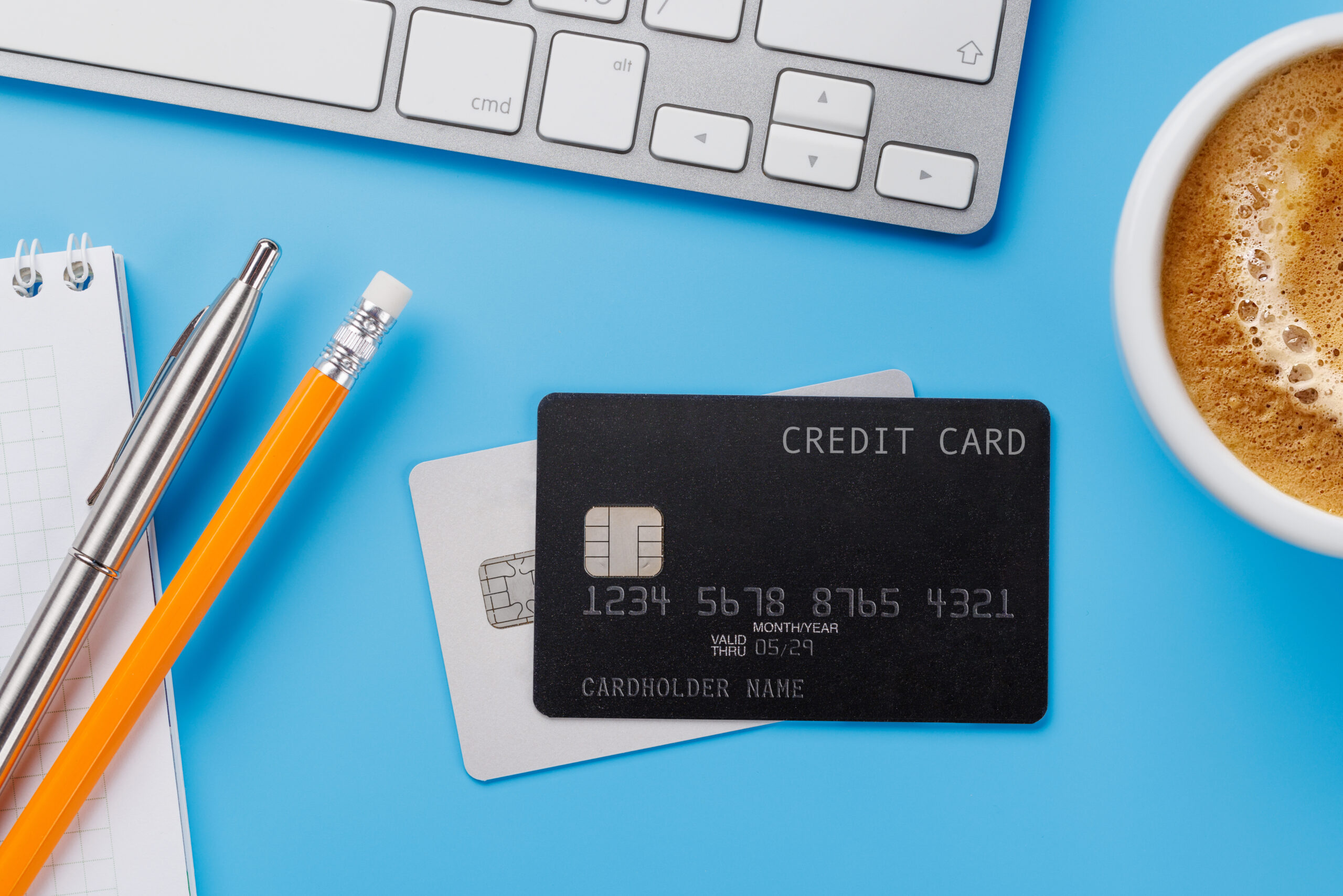
Quick Answer
Before you leave India, RBL Bank World Safari or IDFC FIRST WOW! are the strongest picks for zero forex markup. Once you’re abroad with an SSN or ITIN, Bank of America Travel Rewards Student is one of the easiest long-term credit builders. If you have no SSN at all, Deserve EDU Mastercard works off your passport, visa, and I-20.
If you’re reading this, you’ve likely already secured funding and a student visa — there’s one more step before you go: getting a credit card.
Handling cash abroad is a hassle, and it’s genuinely unsafe to carry large amounts of it — most countries also don’t have anything as convenient as UPI. With hundreds of credit cards available in India alone, picking the right one for a student abroad comes down to a handful of factors that actually matter.
Why International Students Need a Credit Card
- Universal acceptance — Visa and Mastercard together processed over 120 billion transactions worldwide in 2024, dwarfing local debit networks — you can pay at nearly any merchant or shop online without carrying cash.
- Lower hidden costs — many student cards let you pay in local currency with no forex markup (RBL World Safari, for instance, charges 0%), avoiding the 3-4% currency conversion surcharge many POS terminals silently add.
- Emergency credit line — if your stipend or remittance is delayed, a credit card can cover rent and essentials while you wait — something a prepaid forex card simply can’t do.
- Builds credit history — regular, on-time repayments get reported to Indian credit bureaus, and a local student card abroad builds a parallel credit file there too — useful for cheaper loans and mortgages later.
- Perks beyond forex cards — a zero-markup debit card like Niyo Global has no interest-free period or rewards; travel-oriented student credit cards often bundle reward points, airport lounge access, and travel insurance at no extra cost if you clear dues in full.
What to Look For
Choosing the best credit card isn’t just about reward points — it’s about matching a card to your actual spending habits and eligibility.
Cost and acceptance:
- Foreign-transaction markup — anything above 2% eats into your budget — many issuers still charge the standard 3.5%, so prioritize cards like RBL World Safari or IDFC FIRST WOW! at 0%.
- Annual fee vs. waiver — a ₹3,000 fee is reasonable if it’s waived on moderate spending or comes with lounge access; fee-based cards also tend to offer more reward points.
- Dynamic Currency Conversion (DCC) — always choose to pay in local currency — DCC adds another 1-3% on top of the card’s own FX fee.
- Network reach — Visa and Mastercard have the widest acceptance; narrower networks (Amex, Diners) can be hit-or-miss for groceries and transit.
Value and credit-building:
- Rewards — some cards offer 5 travel points per ₹100 on airlines/hotels and 2 points on everything else.
- Grace period and interest rate — look for at least 45 interest-free days — many cards charge upward of 35% annual interest after that.
- Reporting to bureaus abroad — some student cards report to Equifax, Experian, and TransUnion, which helps jump-start your credit score in your new country.
Eligibility and ease of approval:
- No/low-income options — banks like IDFC and RBL approve student cards against a fixed deposit or a parent’s co-signature, making a first card genuinely achievable.
- Online KYC — video-KYC with PAN, Aadhaar, and your admission letter should get you approved without a branch visit.
Also read: Essential Things International Students Must Know About Forex
6 Best Credit Cards for International Students
The first three are issued in India before you leave. The other three become available once you have a Social Security Number (SSN) or Individual Taxpayer Identification Number (ITIN) in the USA.
| Card | Where | FX Markup | Annual Fee | Eligibility | Why Pick It |
|---|---|---|---|---|---|
| RBL Bank World Safari | India | 0% | ₹3,000+GST (waived at ₹3L/yr spend) | Age 18+, Indian address, income/FD backup | Saves 3-3.5% per swipe; 5 travel pts/₹100; free travel insurance |
| IDFC FIRST WOW! | India | 0% | ₹0 | Secured against ₹20,000+ FD | No fee, Visa Infinite privileges, interest-free ATM cash for 45 days |
| HDFC Regalia Gold + Global Value | India | 2% | ₹2,500+GST (waived at ₹3L spend) | Indian income proof or parent co-applicant | Lower FX than typical 3.5%, Priority Pass lounges, airline miles |
| Bank of America Travel Rewards Student | USA | 0% | $0 | US address + SSN/ITIN; F-1 or J-1 visa | 1.5 pts/$ on everything, welcome bonus, reports to all US bureaus |
| Capital One Quicksilver Student | USA | 0% | $0 | SSN/ITIN; apply 6 months after opening a US bank account | Flat 1.5% cash back, no expiry, automatic credit-line reviews |
| Deserve EDU Mastercard | USA | 0% | $0 | Passport + visa + I-20; no SSN needed | 1% cash back, 1-yr Amazon Prime Student credit, reports to bureaus |
Also read: What is I-20 Application Form?
How to Apply
In India, before departure:
| Step | What to Do | Why It Matters |
|---|---|---|
| 1 | Collect KYC documents: PAN, Aadhaar, valid passport, admission letter/I-20/CAS | Banks must verify identity and study purpose under RBI rules |
| 2 | Choose unsecured vs. secured: if you lack income history, open a fixed deposit (₹20,000-25,000) for a secured card like IDFC WOW! | Guarantees approval and keeps interest costs low |
| 3 | Complete video-KYC on the bank app | Saves a branch visit while you’re busy with visa paperwork |
| 4 | Activate international usage in net-banking before you board | By default, most issuers keep overseas swipes off for fraud control |
After arrival (destination country):
| Track | Typical Documents | Quick Tip |
|---|---|---|
| With SSN (e.g., after an on-campus job) | SSN, US address proof, passport, I-94 | Cards like BofA Travel Rewards approve thin files if you’ve held a local account 3+ months |
| With ITIN | Passport & visa, W-7 ITIN application receipt | Capital One and Discover accept ITINs instead of SSNs |
| No SSN/ITIN | Passport, I-20, US phone & address | Fintech cards like Deserve EDU use alternative underwriting |
| Become an authorized user | A friendly roommate/relative adds you to their card | Their on-time payments start building your credit file in under 60 days |
Using Your Card Wisely
- Pay in full, on time — set an AutoPay mandate so you never miss a due date and avoid 35%+ interest.
- Always choose local currency — at shops or ATMs, to avoid Dynamic Currency Conversion markups of 3-4%.
- Enable two-factor authentication — RBI now requires this for most cross-border online transactions.
- Track spends under the RBI LRS cap — $250,000 per financial year — your statement shows outward remittances that count toward this limit.
- Avoid cash advances — even zero-markup cards charge instant 22-40% APR plus flat fees on these.
- Review your statement in both currencies — to catch double conversions or fraud early.
- Keep your Indian card active too — a small ₹500 bill payment every few months keeps your domestic credit score alive while you build credit overseas.
Related Articles
Essential Things International Students Must Know About Forex
What is I-20 Application Form?
Best Forex Cards for Students Studying Abroad
How Much Cash You Can Carry Abroad Legally
Tips for Students to Save Money During Currency Exchange
Sorted on the Card — Now Sort Your Financing
A good credit card handles day-to-day spending, but tuition and living costs need a bigger funding plan. GradRight compares education loan offers from 18 lending partners in one place, so you don’t overpay on interest. Start your free profile at https://gradright.com/financing/.








 Australia
  Canada
  France
  Germany
  India
India  Ireland
  UAE
UAE  United Kingdom
  United States