




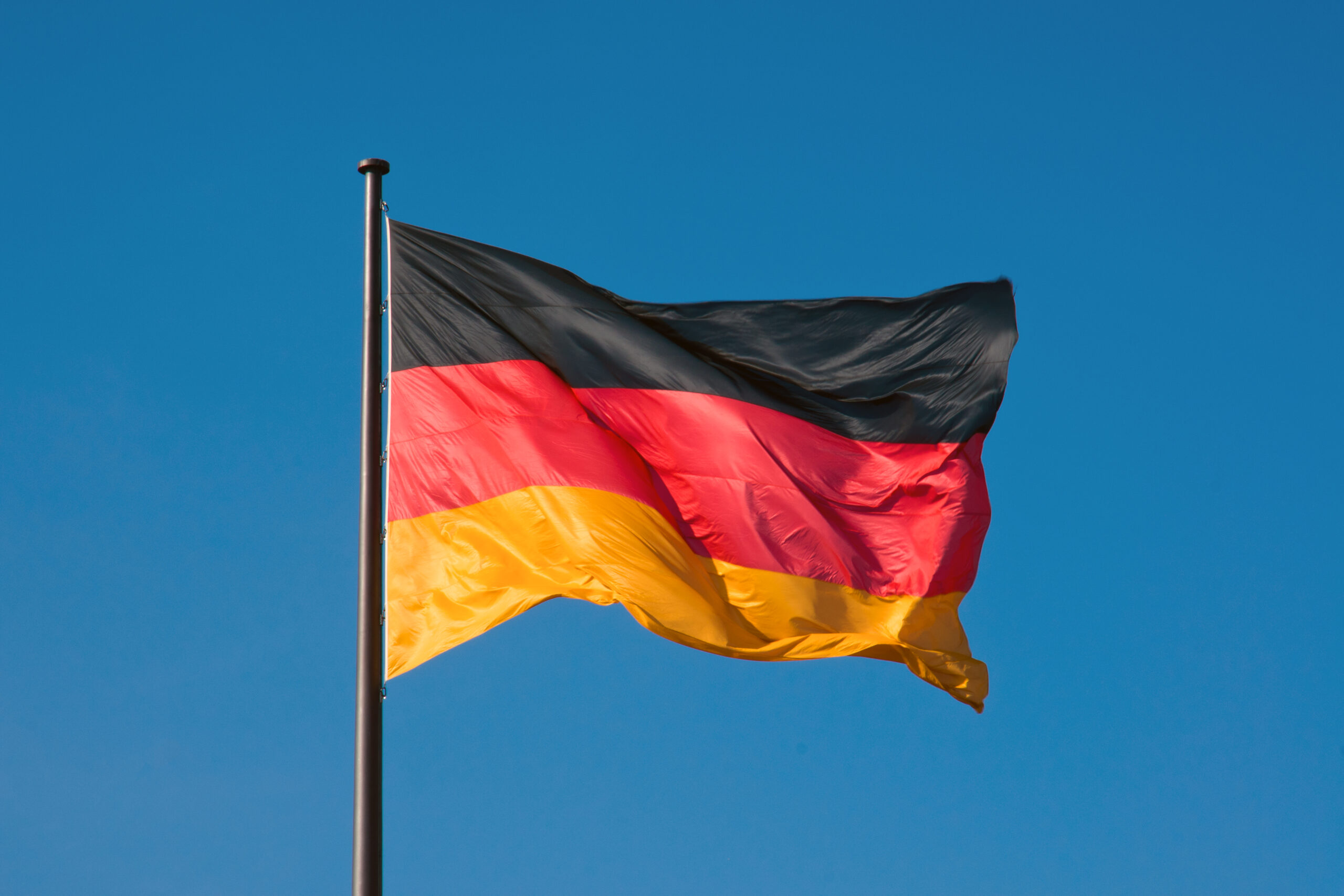
Germany remains one of the most attractive destinations for international students and skilled professionals. Public universities charge little to no tuition fees, employers continue to face talent shortages across STEM fields, and qualified graduates have access to some of Europe’s strongest salaries.
For Indian students, the key question is not whether Germany offers opportunities, but which careers offer the best earning potential after graduation and how quickly those salaries grow over time.
This guide covers the highest-paying jobs, average salaries after an MS in Germany, sector-wise salary data, the most in-demand careers, EU Blue Card requirements, and the fastest routes to permanent residency.
What is considered a good salary in Germany?
Before evaluating high-paying careers, it helps to understand Germany’s salary benchmark.
The average annual gross salary in Germany in 2025–2026 is approximately €51,876, while the median salary is closer to €46,000. Professionals earning above €60,000 are already earning significantly above the national average.
Germany’s social security system includes contributions toward health insurance, pensions, unemployment insurance, and taxes. As a result, take-home pay is typically 30–40% lower than gross salary.
For example:
- €50,000 gross salary → approximately €31,000–€35,000 take-home
- €70,000 gross salary → approximately €42,000–€48,000 take-home
- €100,000 gross salary → approximately €58,000–€68,000 take-home
For international graduates, crossing the €45,000–€50,000 salary mark is particularly important because it often aligns with EU Blue Card eligibility requirements.
Highest-paying jobs in Germany in 2026
The careers below combine strong salaries, high demand, and clear pathways for MS graduates.
|
Job Role |
Typical Salary Range |
|
AI / Machine Learning Engineer |
€60,000–€95,000+ |
|
Cloud Architect |
€65,000–€100,000+ |
|
Data Scientist |
€55,000–€90,000+ |
|
Cybersecurity Specialist |
€60,000–€95,000+ |
|
Software Engineer |
€55,000–€90,000+ |
|
Product Manager (Tech) |
€65,000–€110,000+ |
|
Quantitative Analyst |
€65,000–€120,000+ |
|
Robotics Engineer |
€55,000–€85,000+ |
|
Automotive Engineer |
€55,000–€85,000+ |
|
Renewable Energy Engineer |
€50,000–€80,000+ |
These salaries vary by city, company size, experience level, and German language proficiency.
Average salary after an MS in Germany: Sector-wise breakdown
Looking at sectors often provides a more realistic picture than individual job titles.
|
Sector |
Average Annual Salary |
|
Finance & Banking |
€75,000–€120,000+ |
|
Computer Science & IT |
€70,000–€110,000+ |
|
Healthcare & Medicine |
€60,000–€180,000+ |
|
Engineering |
€60,000–€90,000+ |
|
Data Science & AI |
€70,000–€110,000+ |
|
Pharmaceuticals |
€65,000–€95,000+ |
|
Renewable Energy |
€55,000–€85,000+ |
|
Logistics & Supply Chain |
€55,000–€90,000+ |
Finance, ICT, healthcare, and engineering continue to offer the strongest salary potential. Healthcare specialists and senior physicians remain among Germany’s highest earners, while technology and engineering offer the best combination of demand and accessibility for international graduates.
Most in-demand jobs in Germany in 2026
High salaries and high demand increasingly overlap in Germany’s labour market.
Germany continues to experience shortages across technology, engineering, healthcare, logistics, and renewable energy.
Artificial Intelligence and Machine Learning
AI adoption is accelerating across automotive, manufacturing, software, and financial services sectors. Engineers with expertise in machine learning, generative AI, and computer vision are among the most sought-after professionals in the country.
Data Science and Analytics
Data scientists, business analysts, and analytics professionals remain in demand as organizations increasingly rely on data-driven decision-making.
Cybersecurity
With cyber threats growing in scale and sophistication, companies are investing heavily in security infrastructure, creating strong demand for qualified specialists.
Cloud Computing
Cloud migration remains a major priority for German enterprises. AWS, Azure, and Google Cloud specialists continue to command premium salaries.
Engineering
Mechanical, automotive, electrical, and manufacturing engineers remain critical to Germany’s industrial economy, particularly in Bavaria and Baden-Württemberg.
Renewable Energy
Germany’s energy transition is creating sustained demand for specialists in solar, wind, battery storage, and power systems engineering.
Average salary after MS in Germany
For most international students, this is the most important metric.
Graduates typically enter the German labour market with salaries ranging between €45,000 and €70,000 depending on their field and location.
|
Field |
Average Starting Salary |
|
Computer Science & IT |
€55,000–€70,000 |
|
Data Science & AI |
€55,000–€70,000 |
|
Mechanical Engineering |
€50,000–€65,000 |
|
Automotive Engineering |
€50,000–€65,000 |
|
Electrical Engineering |
€50,000–€62,000 |
|
Finance & Business Analytics |
€48,000–€62,000 |
|
Biotechnology & Life Sciences |
€45,000–€58,000 |
|
Renewable Energy |
€44,000–€56,000 |
Salary growth is typically steady. Professionals in STEM disciplines frequently reach €80,000–€100,000 within five years of graduation.
A study by the German Economic Institute, reported in early 2026, found that Indian professionals in Germany earned a median gross monthly salary of €5,393, significantly above the overall German median. This reflects the concentration of Indian talent in MINT (STEM) occupations.
Jobs in Germany after MS for Indian students
Germany currently hosts more than 40,000 Indian students and continues to expand pathways for skilled international graduates.
After completing a Master’s degree, graduates can remain in Germany through an 18-month post-study residence permit while searching for employment related to their qualifications.
The strongest hiring sectors include:
Information Technology
Germany’s technology sector continues to face substantial talent shortages. Software engineers, AI specialists, cloud architects, cybersecurity professionals, and data scientists remain highly employable.
Engineering
The German job market for engineers remains one of the strongest in Europe. Mechanical, automotive, manufacturing, and electrical engineers continue to benefit from Germany’s position as Europe’s largest industrial economy and sustained demand for skilled technical professionals.
Finance and Analytics
Frankfurt’s status as a major financial centre creates opportunities for financial analysts, quantitative specialists, risk managers, and fintech professionals.
Healthcare and Life Sciences
Healthcare, pharmaceuticals, biotechnology, and medical research continue to experience sustained demand due to demographic and industry trends.
Many international graduates secure full-time employment within a few months of graduation, particularly in STEM disciplines where skill shortages remain acute.
Best cities to work in Germany
The city you choose can significantly influence both earnings and career opportunities.
|
City |
Best For |
Average Salary |
|
Munich |
Engineering, Automotive, Technology |
€58,000+ |
|
Frankfurt |
Finance, Banking, Consulting |
€55,000+ |
|
Stuttgart |
Automotive, Manufacturing |
€56,000+ |
|
Berlin |
Startups, Technology, Product Roles |
€52,000+ |
|
Hamburg |
Logistics, Commerce, E-commerce |
€53,000+ |
Munich generally offers the highest salaries, while Berlin provides the largest startup ecosystem. Frankfurt remains Germany’s financial capital, and Stuttgart continues to dominate automotive engineering.
EU Blue Card salary in Germany: Threshold in 2026
The EU Blue Card remains the preferred residence permit for highly skilled non-EU professionals.
As of 2026, the salary thresholds are:
|
Category |
Annual Gross Salary |
|
General Occupations |
€50,700 |
|
Shortage Occupations (IT, Engineering, Healthcare, STEM) |
€45,934.20 |
The lower threshold also applies to recent graduates who earned their qualifying degree within the previous three years.
Germany issued more Blue Cards than any other EU country in recent years, making it one of the most accessible destinations for highly skilled international professionals.
Key Benefits of the EU Blue Card
- Fast-track route to permanent residency
- Full work rights for spouses
- Long-term residence security
- Easier mobility within the EU
- Stronger employment flexibility
Germany PR after MS: How long does it take?
Germany offers one of the fastest permanent residency pathways available to international graduates.
|
Route |
Time to Permanent Residency |
|
EU Blue Card + B1 German |
21 Months |
|
EU Blue Card + Basic German |
33 Months |
|
Skilled Worker Route (German Degree) |
2 Years |
|
Skilled Worker Route |
3 Years |
|
Standard Residence Route |
5 Years |
For many students, the pathway looks like this:
MS in Germany → Full-Time Job → EU Blue Card → B1 German → Permanent Residency
To qualify, applicants must also maintain health insurance, demonstrate financial stability, and satisfy integration requirements.
What determines your salary in Germany?
Several factors influence earning potential.
Industry
Technology, finance, healthcare, and engineering consistently pay above the national average.
Experience
Salary progression in Germany is often structured and steady. Professionals typically see significant increases after five years of experience.
Location
Munich and Frankfurt generally offer higher salaries, while smaller cities may provide better affordability and purchasing power.
Language Skills
German language proficiency often increases employability and can result in higher compensation, particularly outside multinational corporations.
Negotiation
Employers frequently expect salary discussions. Candidates who negotiate with market data and relevant benchmarks often secure stronger compensation packages.
Closing thoughts
Germany’s highest-paying careers are increasingly concentrated in technology, engineering, data science, healthcare, and advanced manufacturing. For international students, especially those pursuing STEM degrees, the country’s combination of affordable education, strong salaries, persistent skill shortages, and clear pathways to permanent residency makes it one of the world’s most attractive study and work destinations.
Students who gain the most from Germany’s opportunities are those who choose in-demand fields, build practical experience through internships, and start preparing for employment well before graduation. A well-planned MS can lead to both strong earning potential and long-term settlement opportunities.
If you’re exploring German universities, courses, or career paths, GradRight can help you compare programs, assess outcomes, explore funding options, and make informed study abroad decisions with confidence.




 Australia
  Canada
  France
  Germany
  India
India  Ireland
  UAE
UAE  United Kingdom
  United States