



New Brunswick, United States
Students can specialize in areas of study such as air pollution, bioremediation of environmental contaminants, environmental restoration, point and nonpoint source pollution, solid and hazardous waste treatment, surface and groundwater modeling, sustainable engineering, waste gas treatment, water and wastewater treatment, and controlled environment engineering.;Successful applicants are expected to have completed an undergraduate engineering degree from an ABET-accredited program or from a foreign institution with an equivalent program. The M.S. in Bioenvironmental Engineering from Rutgers University offers two plans: (a) 24 credits of coursework, 6 credits of research, and a comprehensive oral examination that includes the defense of a written thesis; or (b) 30 credits of coursework, submission of an approved critical essay, and a comprehensive oral examination.;I want to find another Master Course;Learning Goals;The overall educational goal of the Graduate Program in Bioenvironmental Engineering is to provide students with advanced training in the integration of engineering and the natural sciences with the goal of developing solutions to environmental and societal challenges. Students who earn a Master of Science (M.S.) degree in Bioenvironmental Engineering will have:;Developed a broad, interdisciplinary understanding of complex environmental engineering processes, challenges, and design solutions under the principles of sustainability,;Developed advanced state-of-the-art technical competence in environmental engineering;;Conducted original research within a chosen sub-field of environmental engineering (thesis option), and;Developed the ability to effectively communicate scientific data, concepts, and challenges orally, in writing, and through the production of clear and compelling graphics (figures, tables, and schematics).
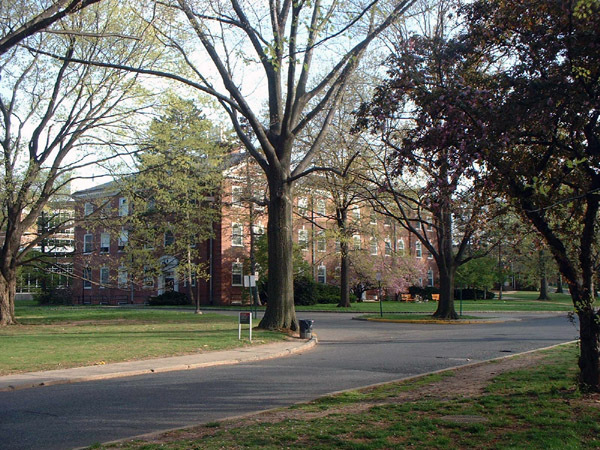
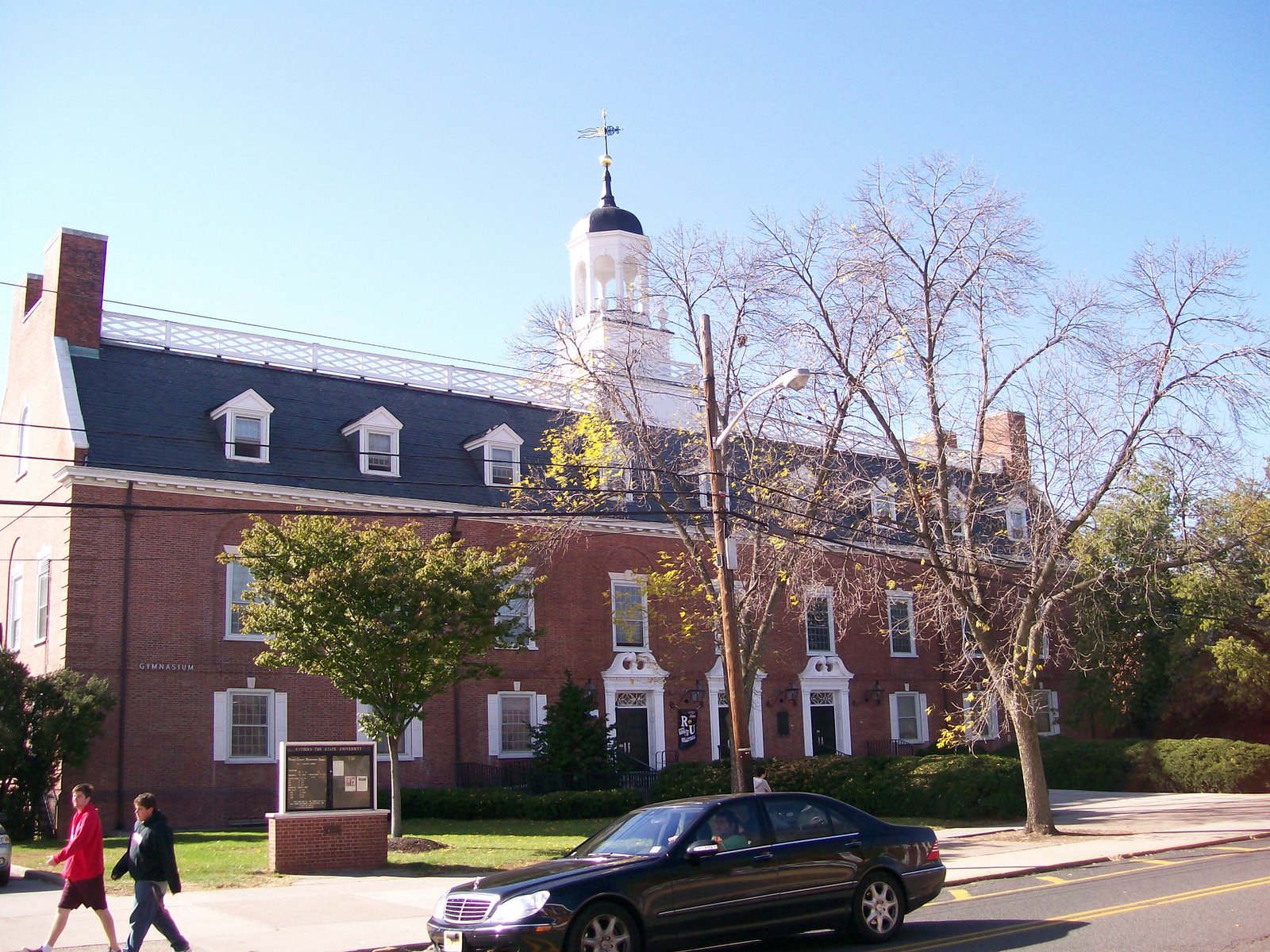
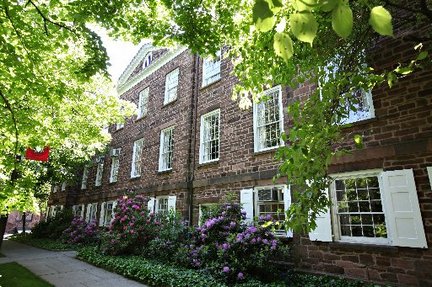
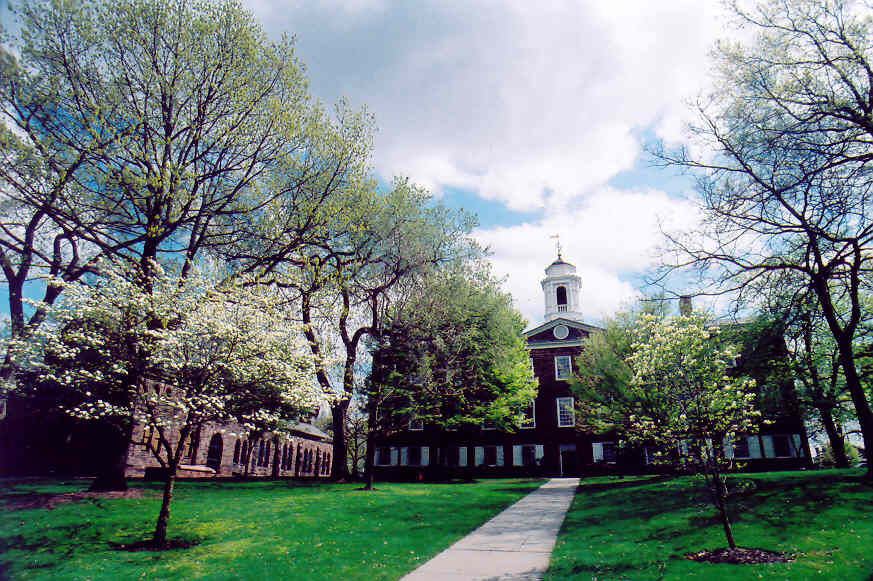
Rutgers, The State University of New Jersey, was founded in 1766 as Queen's College, making it the eighth-oldest institution of higher education in the United States and one of the nine original colonial colleges. Its main campus is in New Brunswick, New Jersey, with additional campuses in Newark and Camden. Rutgers enrolls over 50,000 students system-wide and its schools include the Rutgers Business School and School of Engineering. It is a member of the Association of American Universities and serves as New Jersey's designated land-grant and flagship public research university, with particular strength in pharmacy, business, and the social sciences.
Don’t just apply; apply where you belong. Use GradRight’s AI platform to compare programs with other top-tier options based on real student outcomes, costs, and your unique profile.
Compare ProgramsAccess India’s first loan bidding marketplace to get competitive, low-interest education loan offers from 15+ top lenders, tailored to your aspirations.
Compare Loan OffersNavigate international health insurance requirements with ease. Get comprehensive, uni-compliant coverage that protects your health and your budget.
Check Insurance Plans
Don’t just apply; apply where you belong. Use GradRight’s AI platform to compare programs with other top-tier options based on real student outcomes, costs, and your unique profile.
Compare Programs
Access India’s first loan bidding marketplace to get competitive, low-interest education loan offers from 15+ top lenders, tailored to your aspirations.
Compare Loan Offers
Navigate international health insurance requirements with ease. Get comprehensive, uni-compliant coverage that protects your health and your budget.
Check Insurance PlansBased on current data, Bioenvironmental Engineering at Rutgers The State University of New Jersey has a total cost of ₹61,10,832 and an estimated ROI (including loan interest) of 122% over a 12-months program. Rutgers The State University of New Jersey's median graduate package is ₹81,90,000.
Rutgers The State University of New Jersey requires a minimum TOEFL iBT score of 83 or an IELTS score of 7.0, along with a GPA of 3.00. GRE is required (minimum score of 306) and GMAT is not required for this program.
Trusted by 2,60,000+ students for their education abroad
 Australia +61
 Canada +1
 France +33
 Germany +49
 India +91
 Ireland +353
 UAE +971
 United Kingdom +44
 United States +1
By signing up, you agree to the Terms of Service and Data Processing Agreement
Enter the security code we sent to
By signing up, you agree to the Terms of Service and Data Processing Agreement