



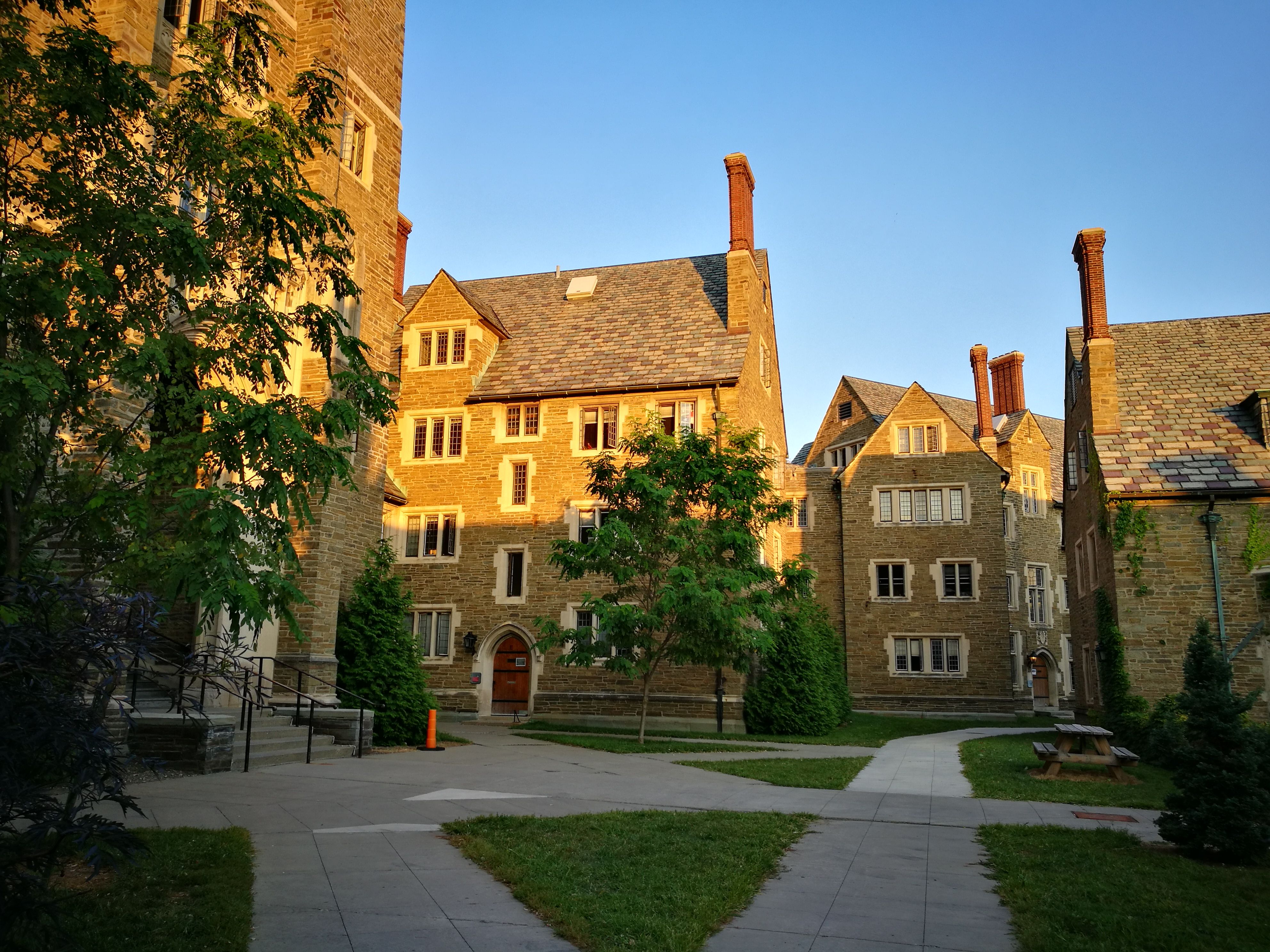

Ithaca, United States
Cornell’s MPH curriculum is designed to help students build and develop skills in areas that are critical for public health. Different from large undergraduate programs, this professional master’s program is designed to create a ‘community of practice’ where we all push each other to grow and improve, in both traditional public health knowledge areas, and in professional competence (e.g., “soft skills”, “leadership”, “emotional intelligence”, etc.). We are a small cohort of students and core faculty, drawing on expertise from across campus and across the world. At this time, we offer two concentration areas, with interdisciplinary instruction from both researchers and practitioners: Infectious Disease Epidemiology Graduates are prepared to manage, prevent, identify, and respond to infectious disease threats, covering ongoing and emerging viral, bacterial, fungal or parasitic disease concerns in both humans and animals. Students learn how to track disease spread, map and disseminate appropriate public health communications, and to lead a coordinated response to address the public health need. This includes training in epidemiological techniques specifically related to infectious diseases and outbreak investigation, as well as training in vector borne diseases. Food Systems for Health Students learn to take a systems approach to assess and coordinate policies or interventions that ensure safe and sustainable land use, food production, food storage, food processing, food delivery, and consumption. This includes training in toxicology, food safety, food and water security, and/or nutrition. Students learn how to engage local and global communities to assess systems or needs, develop interventions from a One Health approach, and lead monitoring and evaluation processes to ensure public health needs are being met.
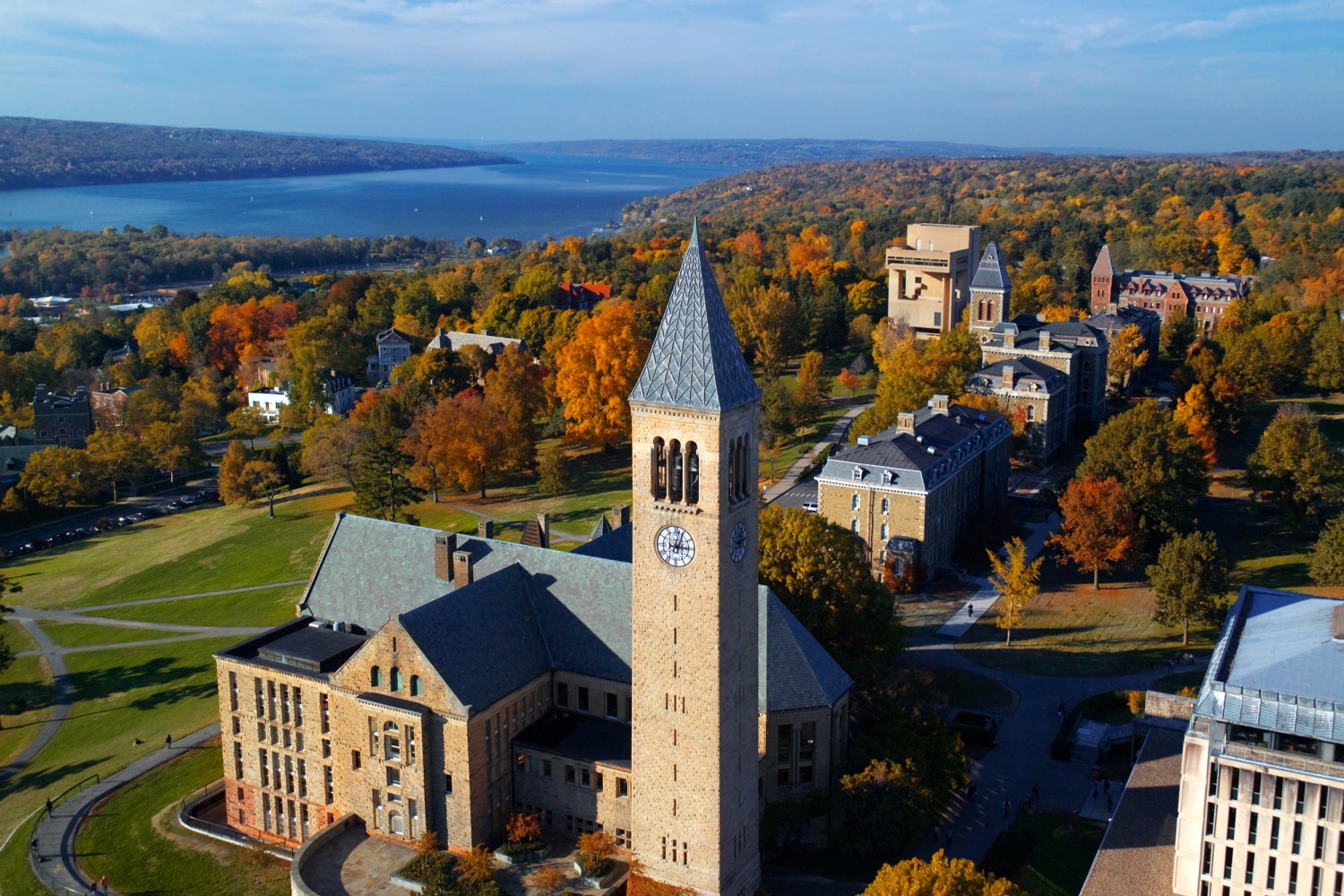
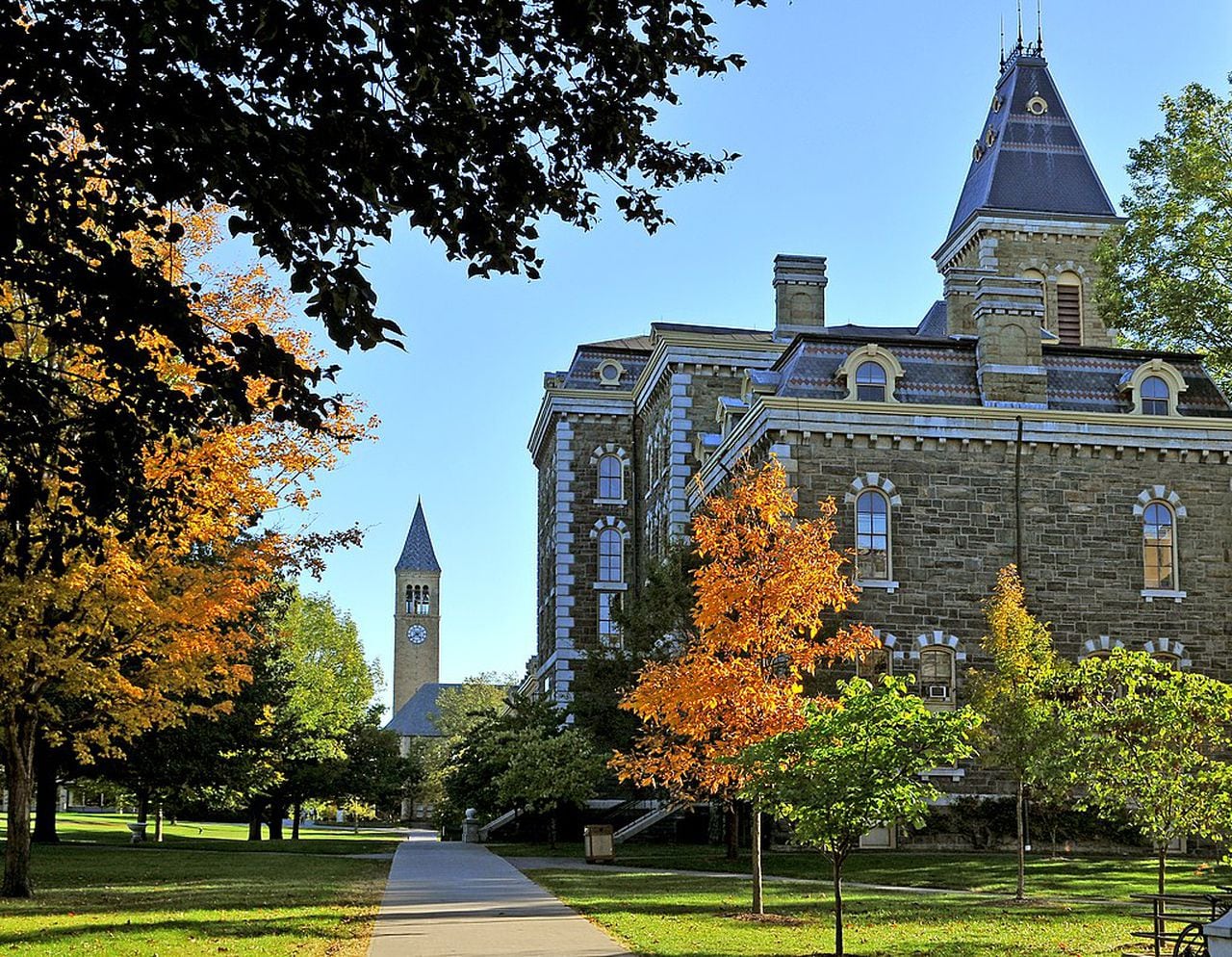
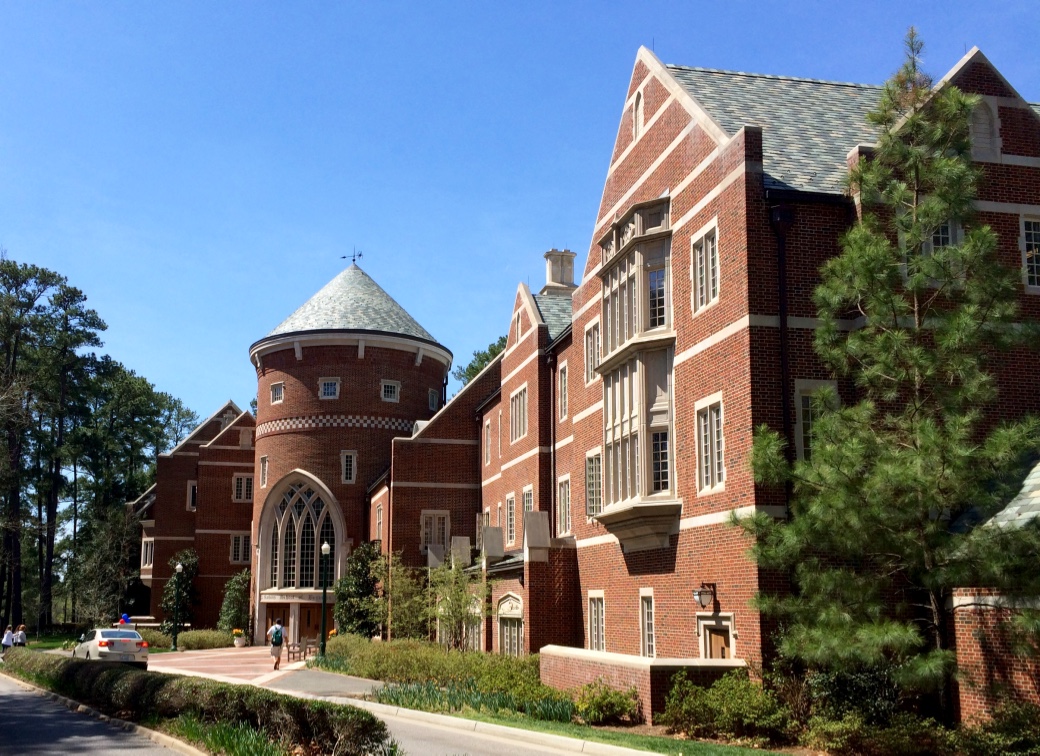
Cornell University is a private Ivy League research university founded in 1865 in Ithaca, New York, by Ezra Cornell and Andrew Dickson White. It is unusual among Ivy League institutions in also serving as New York State's land-grant university, giving it several statutory colleges alongside its private colleges. Cornell enrolls approximately 25,000 students across 14 schools and colleges, including the Samuel Curtis Johnson Graduate School of Management and Cornell Tech, its graduate technology campus in New York City. Cornell is a member of the Association of American Universities and is known for particular strength in engineering, agriculture and life sciences, hospitality administration, and business, alongside a large upstate New York campus overlooking Cayuga Lake.

Don’t just apply; apply where you belong. Use GradRight’s AI platform to compare programs with other top-tier options based on real student outcomes, costs, and your unique profile.
Compare ProgramsAccess India’s first loan bidding marketplace to get competitive, low-interest education loan offers from 15+ top lenders, tailored to your aspirations.
Compare Loan OffersNavigate international health insurance requirements with ease. Get comprehensive, uni-compliant coverage that protects your health and your budget.
Check Insurance Plans
Don’t just apply; apply where you belong. Use GradRight’s AI platform to compare programs with other top-tier options based on real student outcomes, costs, and your unique profile.
Compare Programs
Access India’s first loan bidding marketplace to get competitive, low-interest education loan offers from 15+ top lenders, tailored to your aspirations.
Compare Loan Offers
Navigate international health insurance requirements with ease. Get comprehensive, uni-compliant coverage that protects your health and your budget.
Check Insurance PlansBased on current data, Public Health at Cornell University has a total cost of ₹1,16,44,906 and an estimated ROI (including loan interest) of 67% over a 21-months program. Cornell University's median graduate package is ₹85,89,087.
Cornell University requires a minimum TOEFL iBT score of 83 or an IELTS score of 7.0, along with a GPA of 3.00. GRE is not required and GMAT is not required for this program.

Trusted by 2,60,000+ students for their education abroad
 Australia +61
 Canada +1
 France +33
 Germany +49
 India +91
 Ireland +353
 UAE +971
 United Kingdom +44
 United States +1
By signing up, you agree to the Terms of Service and Data Processing Agreement
Enter the security code we sent to
By signing up, you agree to the Terms of Service and Data Processing Agreement