



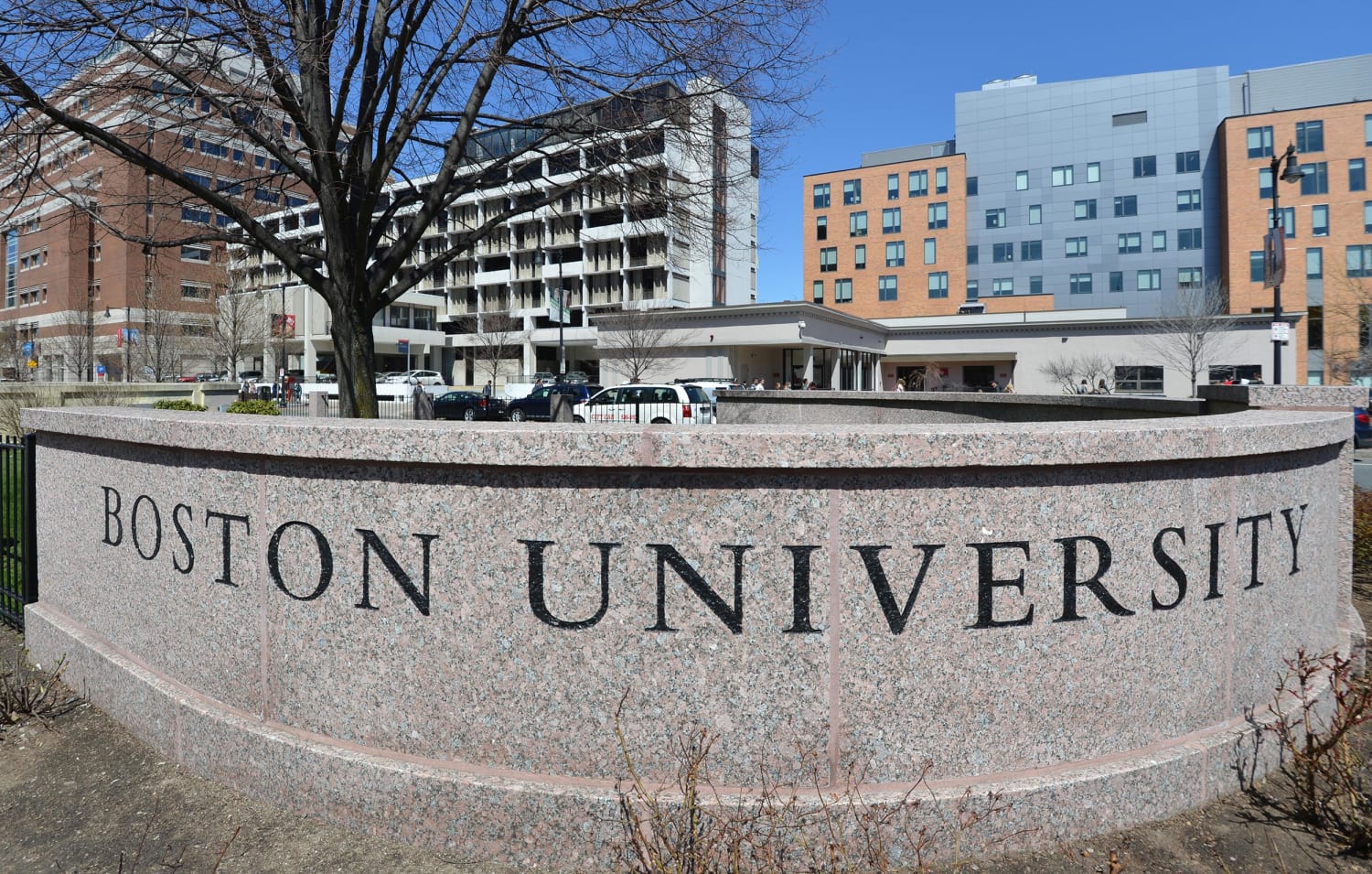

Boston, United States
Biological and medical sciences have made great strides owing also to the development and application of such technical expertise, whether through proficiency in viewing cells in motion (imaging core), analyzing genes and gene expression (genomics core), or protein profiling (proteomics core), to name a few. These developments—and their reliance on technology—have created a demand for individuals with the skills and ability to understand, apply, and potentially be part of developing new biological technologies toward investigation of biological problems.;The Master of Science in Biomedical Research Technologies at Boston University will prepare future experts with a solid grasp of principles underlying a research core’s operation and its relevance to an array of biomedical problems, as well as with the technical skills to implement these technologies. A broad knowledge acquired through courses, such as Biology of Disease, Biochemistry, etc., will aid in interdisciplinary implementation of learned technologies. Graduates will be able to apply ongoing and new emerging technologies to biomedical research in highly competitive research settings, whether in the pharmaceutical industry or academia. Graduates will also be able to apply to a PA, PhD or MD, or MD/PhD program.;I want to find another Master Course;Degree Requirements;Candidates for the MS in Biomedical Research Technologies will be required to complete a minimum of 32 graduate credit hours that include completion of either a Capstone Project (assigned a letter grade) or a library-based thesis (graded as Pass/Fail). The program is designed to allow graduation within a year of study. Core courses will include theory as well as practicum in research cores relevant to biomedical sciences, such as flow cytometry, imaging, metabolic function, or proteomics, in addition to electives offered in areas related to the Science behind the Technology, Business Management, and Clinical/Translational Research.
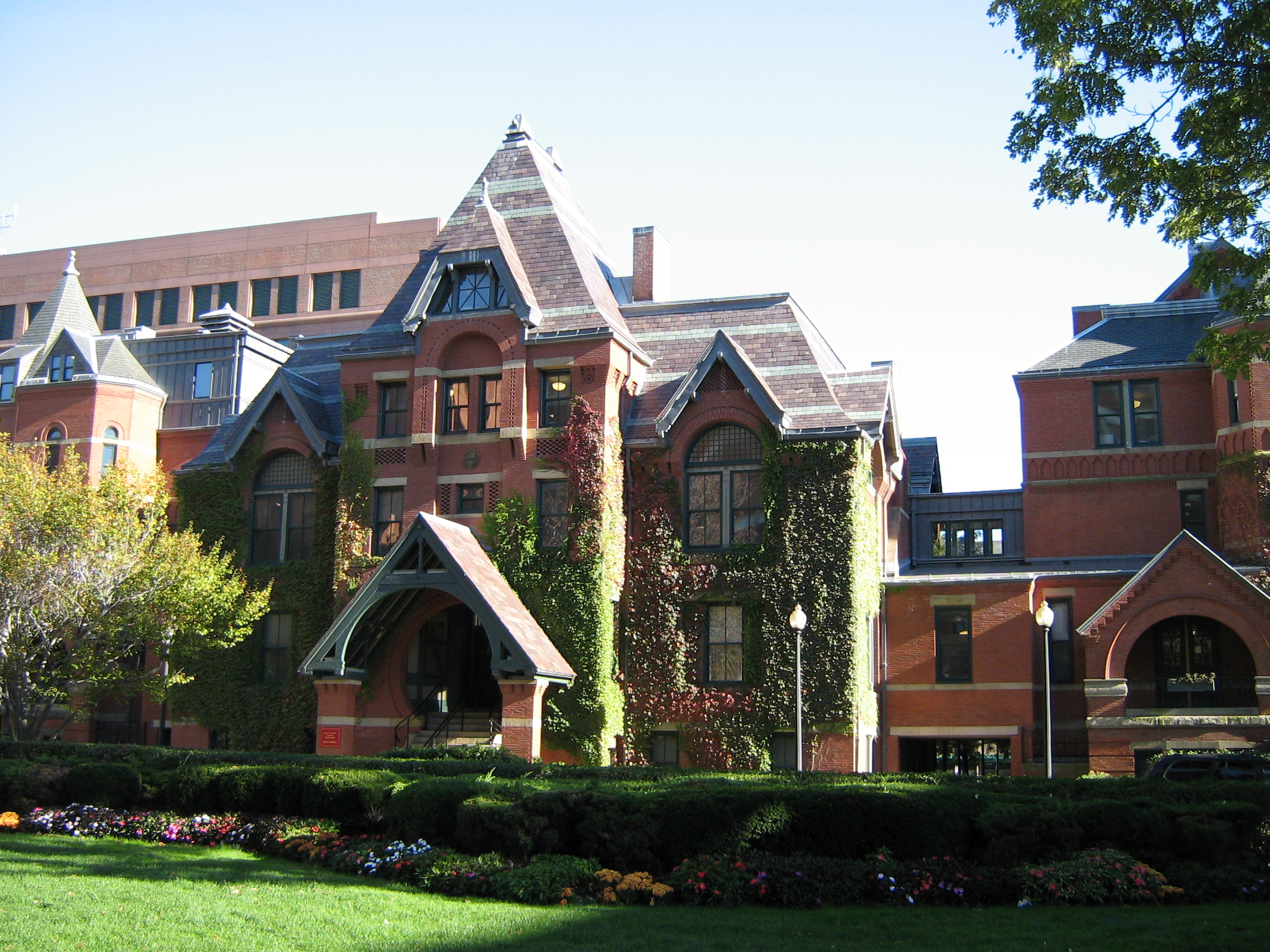
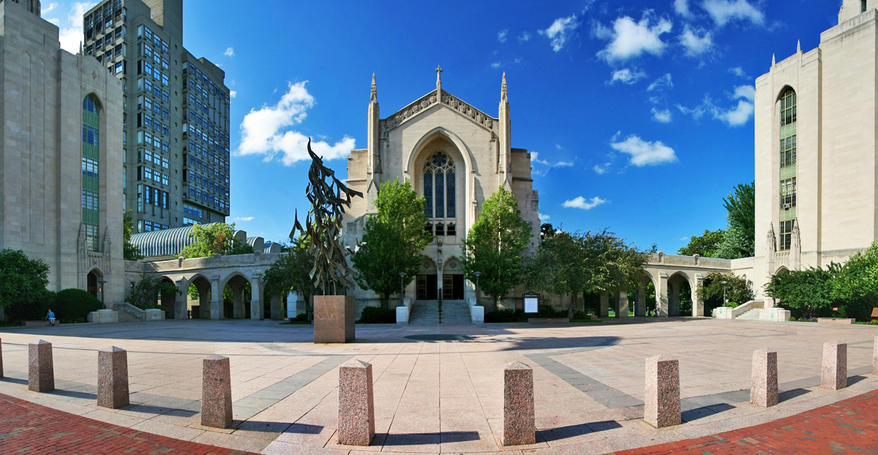
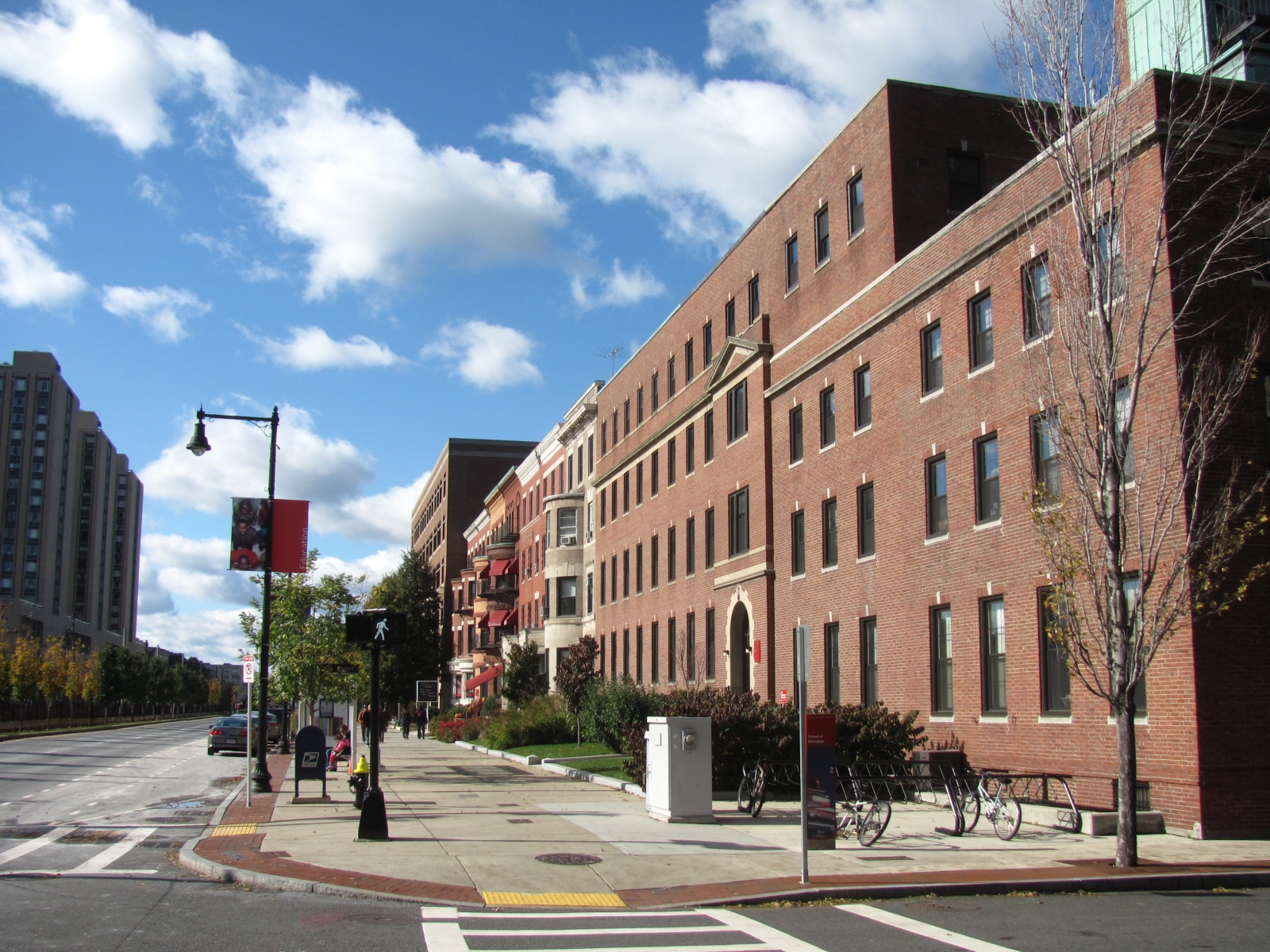
Boston University is a private research university founded in 1839, originally as a Methodist seminary in Vermont before relocating to Boston, Massachusetts in 1867. It enrolls approximately 34,000 students across 17 schools and colleges, including the Questrom School of Business, College of Engineering, and School of Communication. BU is classified as an R1 research institution and is a member of the Association of American Universities. Its urban campus stretches along the Charles River in the Fenway-Kenmore area of Boston, placing students within one of the largest concentrations of universities and hospitals in the country. Boston University is known for strong programs in business, communication, and health sciences, and for one of the largest international student populations among U.S. private universities.
Don’t just apply; apply where you belong. Use GradRight’s AI platform to compare programs with other top-tier options based on real student outcomes, costs, and your unique profile.
Compare ProgramsAccess India’s first loan bidding marketplace to get competitive, low-interest education loan offers from 15+ top lenders, tailored to your aspirations.
Compare Loan OffersNavigate international health insurance requirements with ease. Get comprehensive, uni-compliant coverage that protects your health and your budget.
Check Insurance Plans
Don’t just apply; apply where you belong. Use GradRight’s AI platform to compare programs with other top-tier options based on real student outcomes, costs, and your unique profile.
Compare Programs
Access India’s first loan bidding marketplace to get competitive, low-interest education loan offers from 15+ top lenders, tailored to your aspirations.
Compare Loan Offers
Navigate international health insurance requirements with ease. Get comprehensive, uni-compliant coverage that protects your health and your budget.
Check Insurance PlansBased on current data, Biomedical Research Technologies at Boston University has a total cost of ₹89,78,970 and an estimated ROI (including loan interest) of 72% over a 12-months program. Boston University's median graduate package is ₹71,08,209.
Boston University requires a minimum TOEFL iBT score of 90 or an IELTS score of 7.0, along with a GPA of 3.00. GRE is not required and GMAT is not required for this program.

Trusted by 2,60,000+ students for their education abroad
 Australia +61
 Canada +1
 France +33
 Germany +49
 India +91
 Ireland +353
 UAE +971
 United Kingdom +44
 United States +1
By signing up, you agree to the Terms of Service and Data Processing Agreement
Enter the security code we sent to
By signing up, you agree to the Terms of Service and Data Processing Agreement