B.Tech Data Science programs generally combine computer science, mathematics, statistics, programming, and Data Science. AI and Data Science programs combine data analysis and machine learning with Artificial Intelligence. Data Science and Machine Learning programs place greater emphasis on predictive modelling and machine learning techniques. BCA and B.Sc Data Science programs can provide undergraduate pathways focused on programming, statistics, data analysis, and applied data skills.
Data Science course subjects and syllabus
The syllabus for an undergraduate Data Science course varies by university, but most programs combine programming, mathematics, statistics, data management, and analytics. Common subjects include Python, data structures and algorithms, databases, probability, statistics, data analysis, data visualization, machine learning, data mining, and business intelligence.
Some Data Science degree programs may also include artificial intelligence, deep learning, big data analytics, cloud computing, natural language processing, or other related technologies. Students comparing Data Science courses should check the complete syllabus instead of relying only on the course name, as programs with similar titles can have different subject structures and specializations.
Entrance exams for Data Science courses after 12th
Admission requirements for Data Science undergraduate courses depend on the degree and institution. B.Tech and B.E. programs may use national, state, or university-level engineering entrance examinations. Common exams associated with undergraduate engineering admissions include JEE Main, JEE Advanced, BITSAT, VITEEE, SRMJEEE, and state-level examinations such as MHT-CET, KCET, and WBJEE.
Other undergraduate Data Science programs may use CUET-UG, university-specific entrance tests, Class 12 marks, or a combination of these. Students should check the admission requirements of each college before applying because accepted entrance exams, minimum marks, and subject requirements can differ.
How to compare Data Science colleges in India
When comparing Data Science colleges in India, students should look at the curriculum, specialization options, faculty, computing infrastructure, internships, industry exposure, placement information, and total cost.
The Data Science syllabus should provide sufficient exposure to programming, mathematics, statistics, data analysis, machine learning, and practical projects. Students can also check whether the college offers computing resources, analytics tools, cloud platforms, industry projects, hackathons, and internship opportunities.
Placement information should be reviewed carefully by checking the relevant graduating batch, published methodology, recruiters, and types of roles rather than relying only on a headline placement figure. Fees should also be compared across the complete duration of the program, including applicable academic and living costs.
B.Tech Data Science vs other undergraduate Data Science degrees
B.Tech Data Science, B.Tech CSE, B.Tech AI and Data Science, BCA Data Science, and B.Sc Data Science can all provide pathways into data, analytics, and technology-related fields, but their academic focus can differ.
B.Tech Data Science generally combines engineering and computer science foundations with specialized Data Science coursework. B.Tech CSE usually provides broader computer science coverage and may offer Data Science through electives or a specialization. B.Tech AI and Data Science combines Data Science with Artificial Intelligence and Machine Learning.
BCA and B.Sc programs can provide other undergraduate routes into computing, programming, statistics, data, and analytics. Their curriculum, mathematics requirements, duration, and eligibility vary by university. Students should compare individual course structures rather than choosing based only on the degree title.
Data Science career paths by specialization
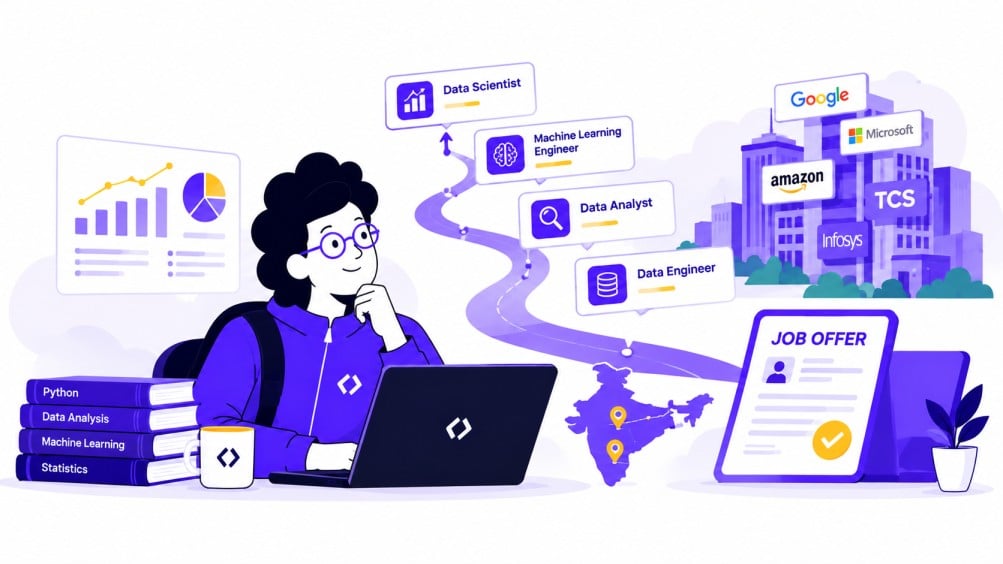
A Data Science degree can lead to different technology, analytics, and data-related career paths depending on the specialization and skills developed during the program. Students with strong statistics, programming, and machine learning coursework can explore areas such as Data Science, Machine Learning, and predictive analytics.
Data Analytics-focused programs can provide a pathway into data analysis, Business Intelligence, reporting, and data-driven decision-making. Programs combining Data Science with AI can allow students to explore machine learning, AI-driven analytics, and related technical roles.
Projects, internships, programming skills, statistical knowledge, problem-solving ability, and practical experience can influence the roles available to graduates. Career opportunities also vary by employer and individual qualifications.
What to know before choosing a Data Science course
Data Science is a technical and quantitative field, so students should understand what studying it involves before selecting a program. Prior coding experience is generally not required for undergraduate admission, but programming becomes an important part of many Data Science and computer science degrees.
Mathematics and statistics are also important to Data Science. Topics such as probability, statistics, linear algebra, and calculus can be used in areas such as data analysis, predictive modelling, and machine learning. The depth of mathematics varies across B.Tech, BCA, B.Sc, diploma, and certificate programs.
Studying Data Science is also different from simply learning how to use data tools. An undergraduate Data Science course typically involves programming, statistics, databases, data analysis, machine learning, and understanding how data is collected, processed, interpreted, and used.
Data Science education pathways after Class 12
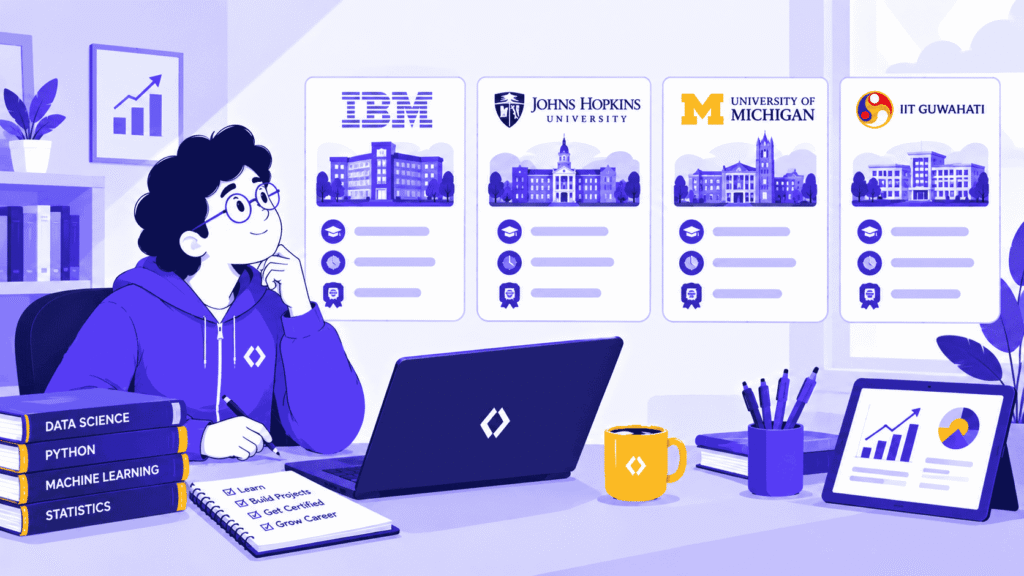
Students interested in Data Science can choose different academic pathways after Class 12. A B.Tech or B.E. program can provide an engineering-focused route, while BCA and B.Sc programs can provide undergraduate pathways focused on computing, programming, statistics, data, and analytics.
Short-term Data Science diplomas and certificates can be used to develop specific skills in areas such as Python, SQL, data visualization, data analytics, machine learning, or business intelligence. These programs are shorter than undergraduate degrees and can complement formal education or help students explore an area before committing to a longer program.
After completing an undergraduate degree, students can further specialize through postgraduate programs in Data Science, Data Analytics, Artificial Intelligence, Machine Learning, Statistics, Computer Science, or related fields. The right pathway depends on the student’s academic background, interests, and long-term goals.



 Australia +61
 Canada +1
 France +33
 Germany +49
 India +91
 Ireland +353
 UAE +971
 United Kingdom +44
 United States +1