

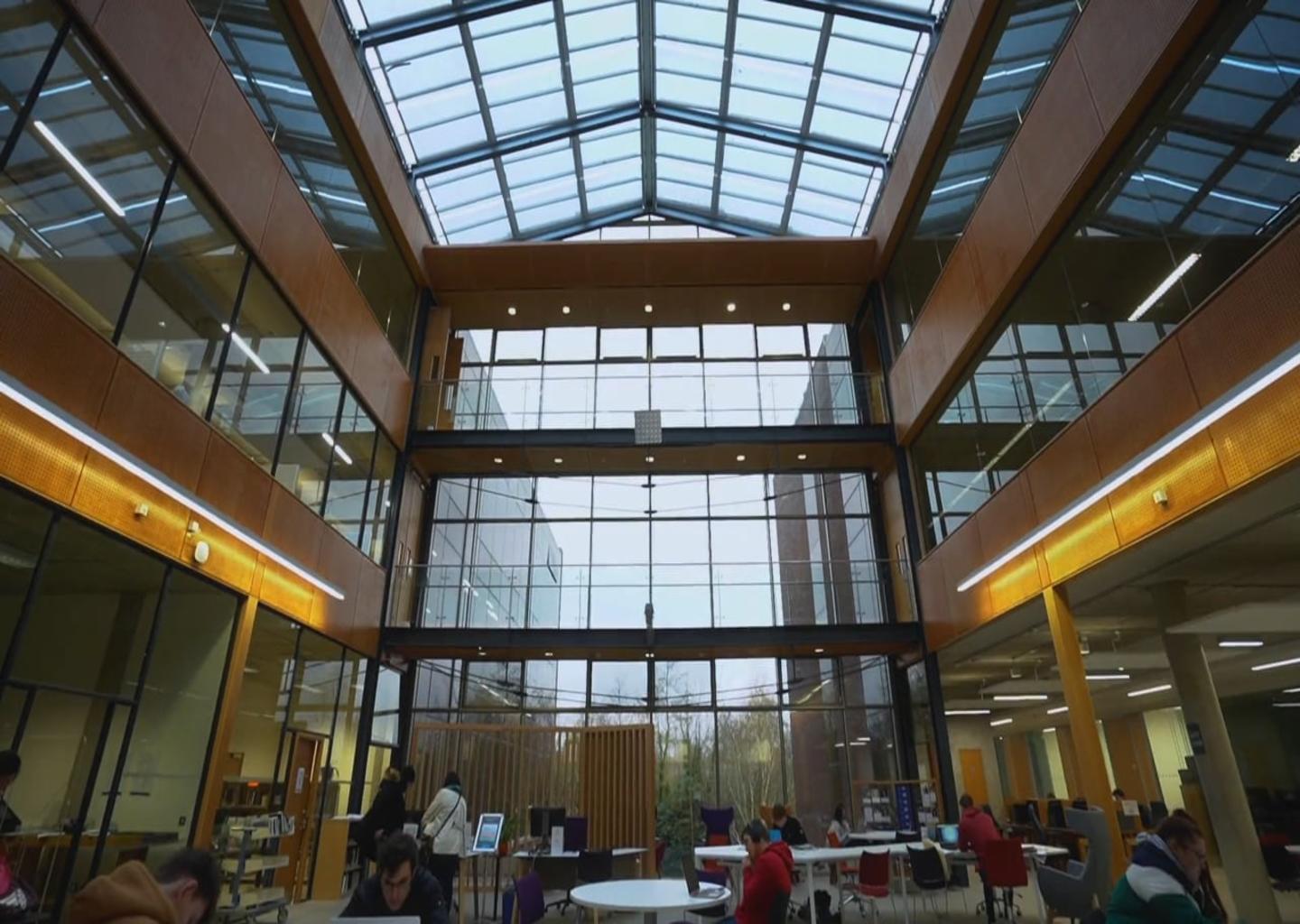

Limerick, Ireland
This one year M. Sc. programme is designed to produce highly qualified graduates who have an in-depth knowledge of the instrumentation involved in the analysis and characterisation of materials together with a detailed knowledge of Materials Science and Materials Processing. Specialist modules and a specialised research project will allow students to become fully briefed in Biomedical Device Materials and how such materials interact with the human body. With this knowledge base, graduates could expect to work in the quickly evolving high-tech Biomedical Device industry or to continue their education to PhD level.;Objectives;The objectives of the Biomedical Device Materials programme are:;To provide science, engineering and technology graduates with a competitive edge for a career in biomedical device companies;To provide graduates with key analytical skills and knowledge in the latest biopolymer and metallurgical technologies preparing them for a career in biomedical device R & D and / or product design;To develop graduates with excellence in Materials Science and Engineering capability to underpin National and International Industrial development;Programme of study at University of Limerick;This Master of Science course is a two Semester plus Summer full time programme based on a modular credit system (90 ECTS) and the course outline is given below. In Semester 1, students study analytical techniques (microscopy, electron microscopy and X-ray analysis; X-ray diffraction; IR-, UV- and Raman-spectroscopy, particle size analysis, NMR spectroscopy, specimen preparation), structure of materials (structure – mechanical property relationships for metals, polymers and ceramics, phase transformations with associated strengthening effects, failure processes), advanced materials processing (manufacturing with metals, ceramics, polymers and composites and typical coating methods).;I want to find another Master Course;Semester 1 also includes the study of typical management systems which are needed to standardize and audit manufacturing processes and systems in Industry. This module also addresses regulatory affairs for the Biomedical Device Industry. Semester 2 involves further study of analytical techniques and modelling software used for materials development / analysis and affords students exposure to Research challenges in Materials Science. Students choose one specialised elective in each Semester which covers the detailed materials science associated with Biomedical devices and how new materials are being developed which have therapeutic value.;During Semester 2 students choose and begin work on a 45 credit Biomedical Device Materials related research project supervised by highly published internationally recognised experts in Materials Science & Engineering. These projects involve the use of state of the art instrumentation at the University to acquire information on materials and processes suitable for publication in high impact journals or IP protection.;Get more details;Visit official programme website


Don’t just apply; apply where you belong. Use GradRight’s AI platform to compare programs with other top-tier options based on real student outcomes, costs, and your unique profile.
Compare ProgramsAccess India’s first loan bidding marketplace to get competitive, low-interest education loan offers from 15+ top lenders, tailored to your aspirations.
Compare Loan OffersNavigate international health insurance requirements with ease. Get comprehensive, uni-compliant coverage that protects your health and your budget.
Check Insurance Plans
Don’t just apply; apply where you belong. Use GradRight’s AI platform to compare programs with other top-tier options based on real student outcomes, costs, and your unique profile.
Compare Programs
Access India’s first loan bidding marketplace to get competitive, low-interest education loan offers from 15+ top lenders, tailored to your aspirations.
Compare Loan Offers
Navigate international health insurance requirements with ease. Get comprehensive, uni-compliant coverage that protects your health and your budget.
Check Insurance PlansBased on current data, Biomedical Device Materials at University of Limerick has a total cost of ₹33,82,740 and an estimated ROI (including loan interest) of 102% over a 12-months program. University of Limerick's median graduate package is ₹37,80,000.
University of Limerick requires a minimum TOEFL iBT score of 90 or an IELTS score of 6.5, along with a GPA of 2.80. GRE is not required and GMAT is not required for this program.


Trusted by 2,60,000+ students for their education abroad
 Australia +61
 Canada +1
 France +33
 Germany +49
 India +91
 Ireland +353
 UAE +971
 United Kingdom +44
 United States +1
By signing up, you agree to the Terms of Service and Data Processing Agreement
Enter the security code we sent to
By signing up, you agree to the Terms of Service and Data Processing Agreement