



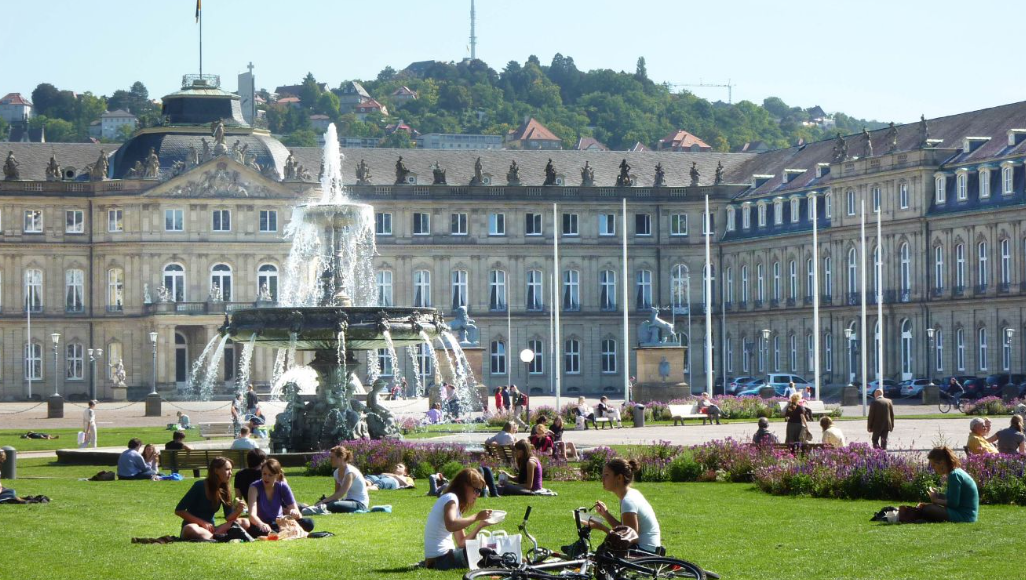
Stuttgart, Germany
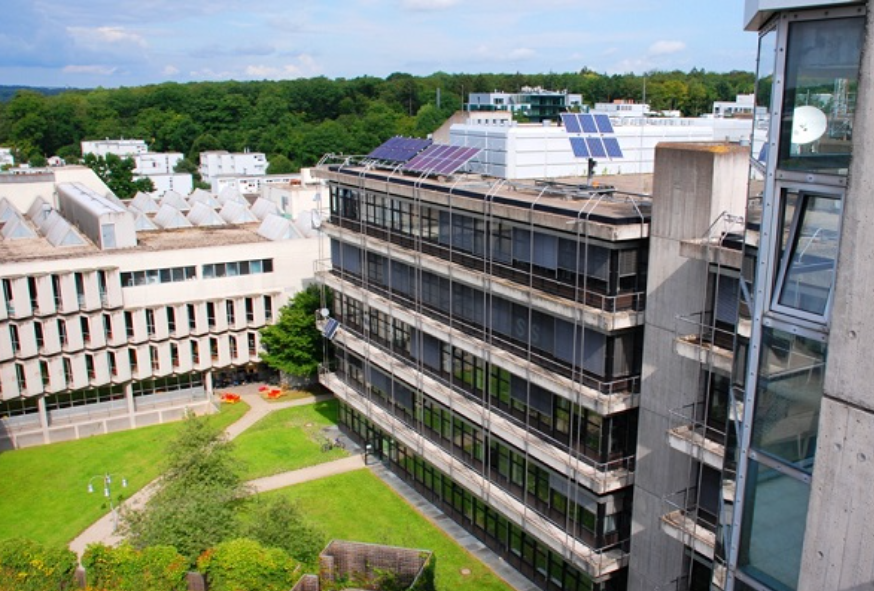
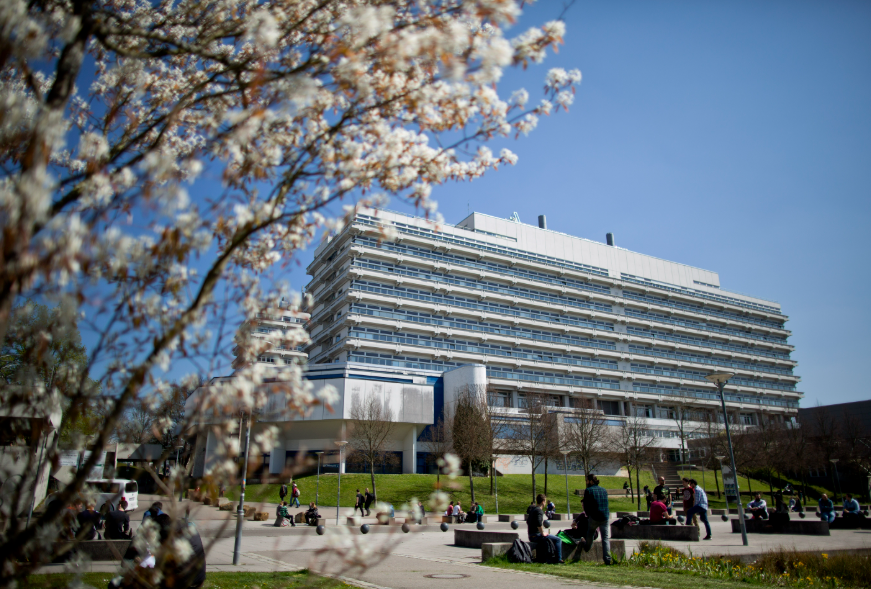
The M.Sc. Air Quality Control, Solid Waste and Waste Water Process Engineering (WASTE) at the University of Stuttgart is a premier international program focusing on environmental process engineering. The academic focus is split between three specialized areas: Air Quality Control, Solid Waste, and Waste Water Process Engineering. The curriculum begins with advanced modules in thermo-fluid dynamics and environmental biology before moving into specialized elective tracks. Practical components include an industrial internship and a student research project to bridge theory and practice. The program is supported by the Institute of Process Engineering and Power Plant Technology (IFK). Key skills include the design of flue gas cleaning systems and urban drainage management. The degree concludes with a four-month Master’s thesis conducted in a research or industrial setting. Graduates are prepared for leadership roles in global environmental consulting and industrial waste management.
Don’t just apply; apply where you belong. Use GradRight’s AI platform to compare programs with other top-tier options based on real student outcomes, costs, and your unique profile.
Compare ProgramsAccess India’s first loan bidding marketplace to get competitive, low-interest education loan offers from 15+ top lenders, tailored to your aspirations.
Compare Loan OffersNavigate international health insurance requirements with ease. Get comprehensive, uni-compliant coverage that protects your health and your budget.
Check Insurance Plans
Don’t just apply; apply where you belong. Use GradRight’s AI platform to compare programs with other top-tier options based on real student outcomes, costs, and your unique profile.
Compare Programs
Access India’s first loan bidding marketplace to get competitive, low-interest education loan offers from 15+ top lenders, tailored to your aspirations.
Compare Loan Offers
Navigate international health insurance requirements with ease. Get comprehensive, uni-compliant coverage that protects your health and your budget.
Check Insurance PlansBased on current data, Air Quality Control, Solid Waste and Waste Water Process Engineering at University of Stuttgart has a total cost of ₹29,70,000 and an estimated ROI (including loan interest) of 163% over a 24-months program. University of Stuttgart's median graduate package is ₹53,10,000.
University of Stuttgart requires a minimum TOEFL iBT score of 88 or an IELTS score of 6.5, along with a GPA of 3.00. GRE is not required and GMAT is not required for this program.
Trusted by 2,60,000+ students for their education abroad
 Australia +61
 Canada +1
 France +33
 Germany +49
 India +91
 Ireland +353
 UAE +971
 United Kingdom +44
 United States +1
By signing up, you agree to the Terms of Service and Data Processing Agreement
Enter the security code we sent to
By signing up, you agree to the Terms of Service and Data Processing Agreement