



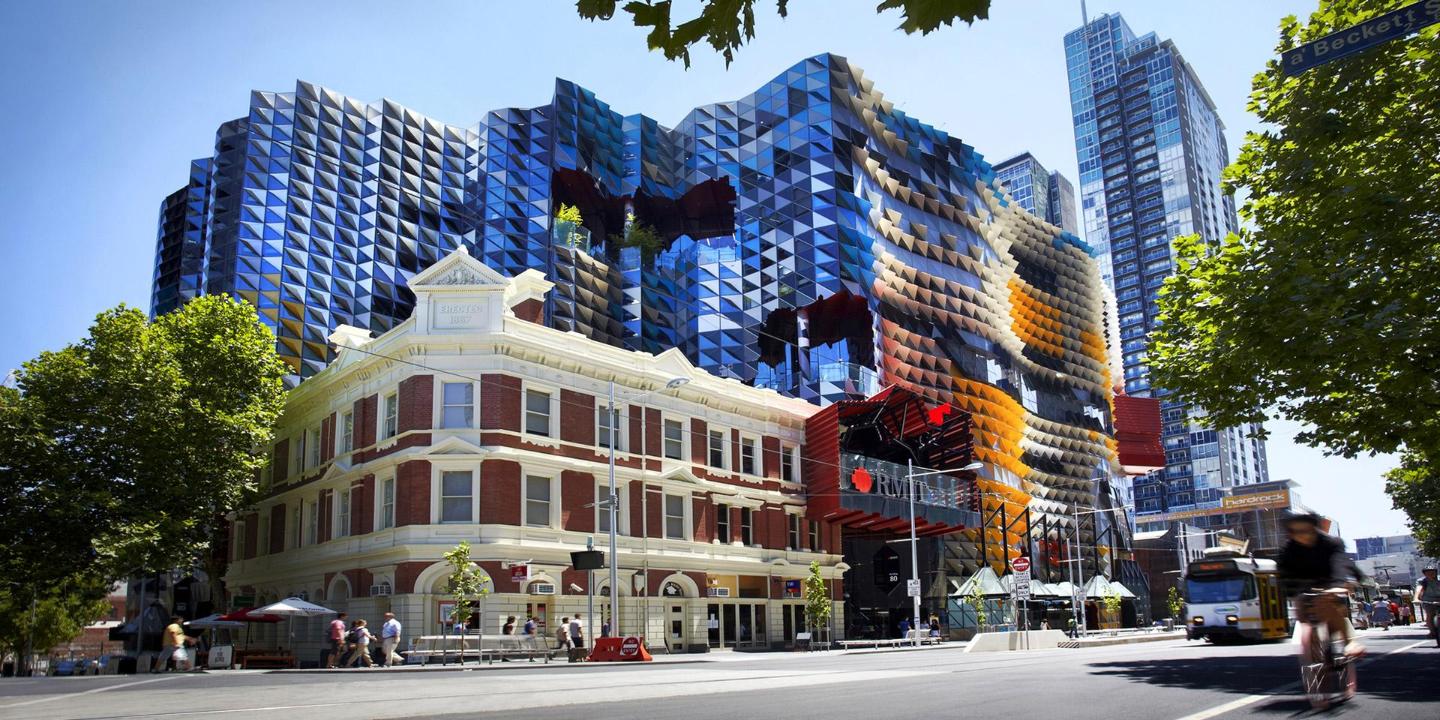

Melbourne, Australia
This Sustainable Energy program at RMIT University is managing the transition towards a more sustainable energy sector is a priority for governments, the private sector and the general community.;A final-year research project forms an essential part of this program. Through this self-selected project (from a range of available topics) you will draw on not only the advanced engineering skills you have learnt but also coursework around ethical, economic and social responsibility.;I want to find another Master Course;Career ;Within their organisations, graduates take on lead roles in:;developing and implementing plans to improve energy efficiency and productivity to cut fuel bills, and reduce greenhouse gas/pollution emissions to meet regulatory requirements;researching, developing, demonstrating, commercialising, designing and evaluating innovative solar, wind and hydro, biomass, hydrogen and other sustainable energy supply, storage and utilisation technologies;devising innovative sustainable solutions to current problems associated with adverse economic, social and environmental problems linked to energy supply, distribution and consumption;maintaining and optimising the performance of installed sustainable energy technologies and systems;managing consultative processes with social groups affected by energy-related projects and developments;Accreditation;The Master of Engineering (Sustainable Energy) is not accredited, although it has been developed to align with the Engineers Australiaaccreditation framework.;Get more details;Visit official programme website
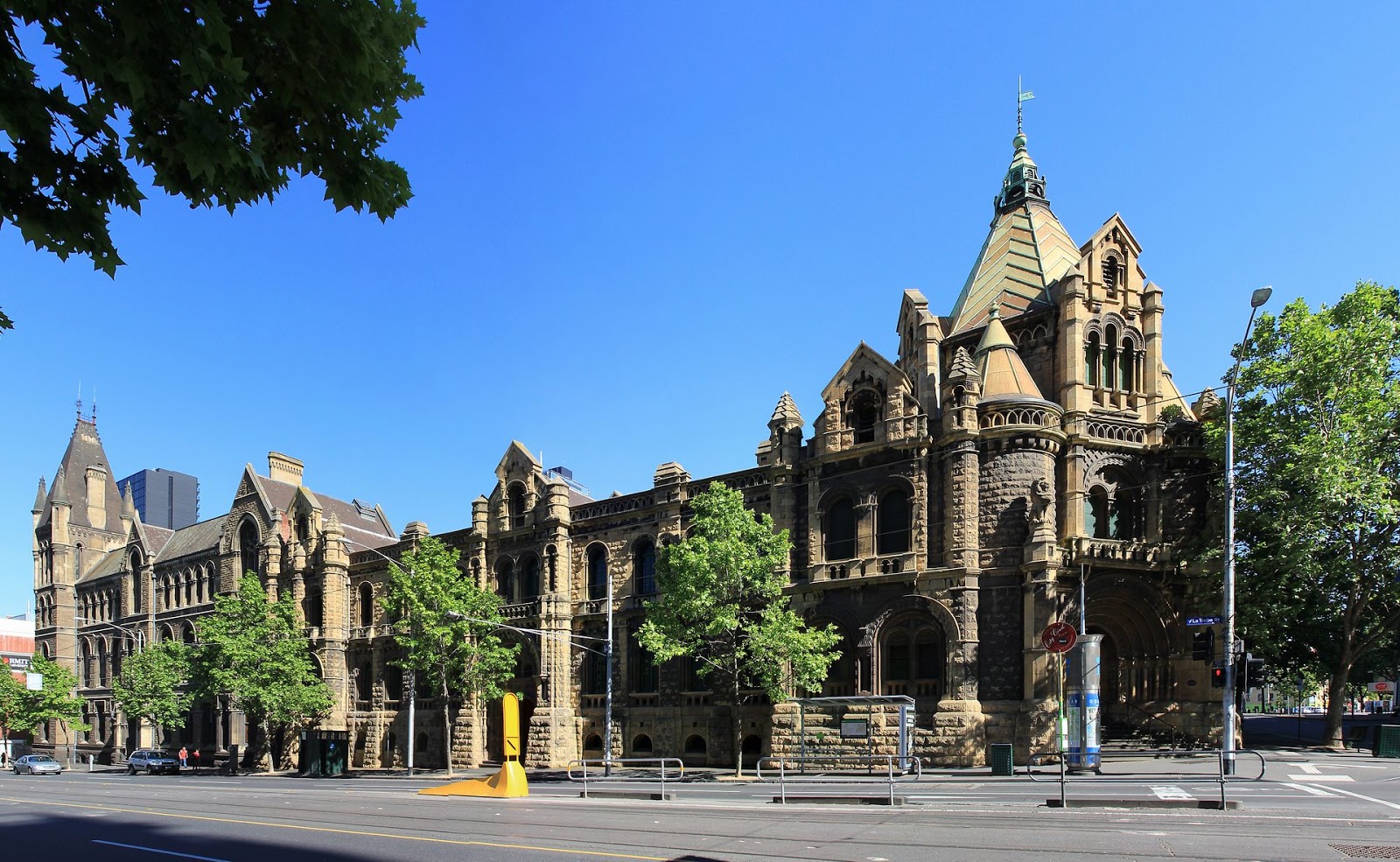
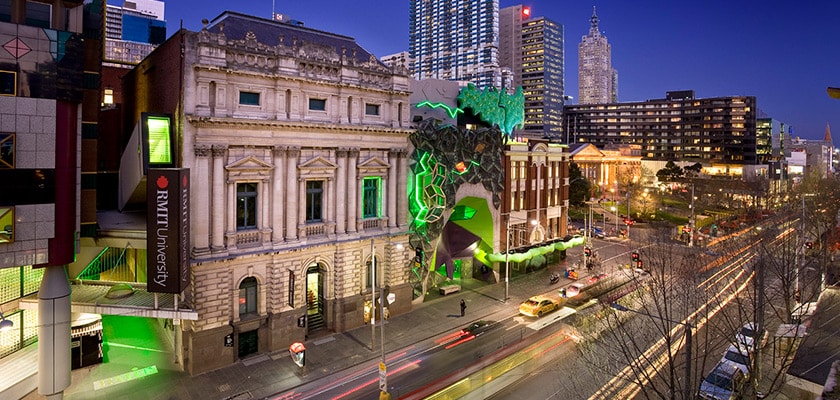
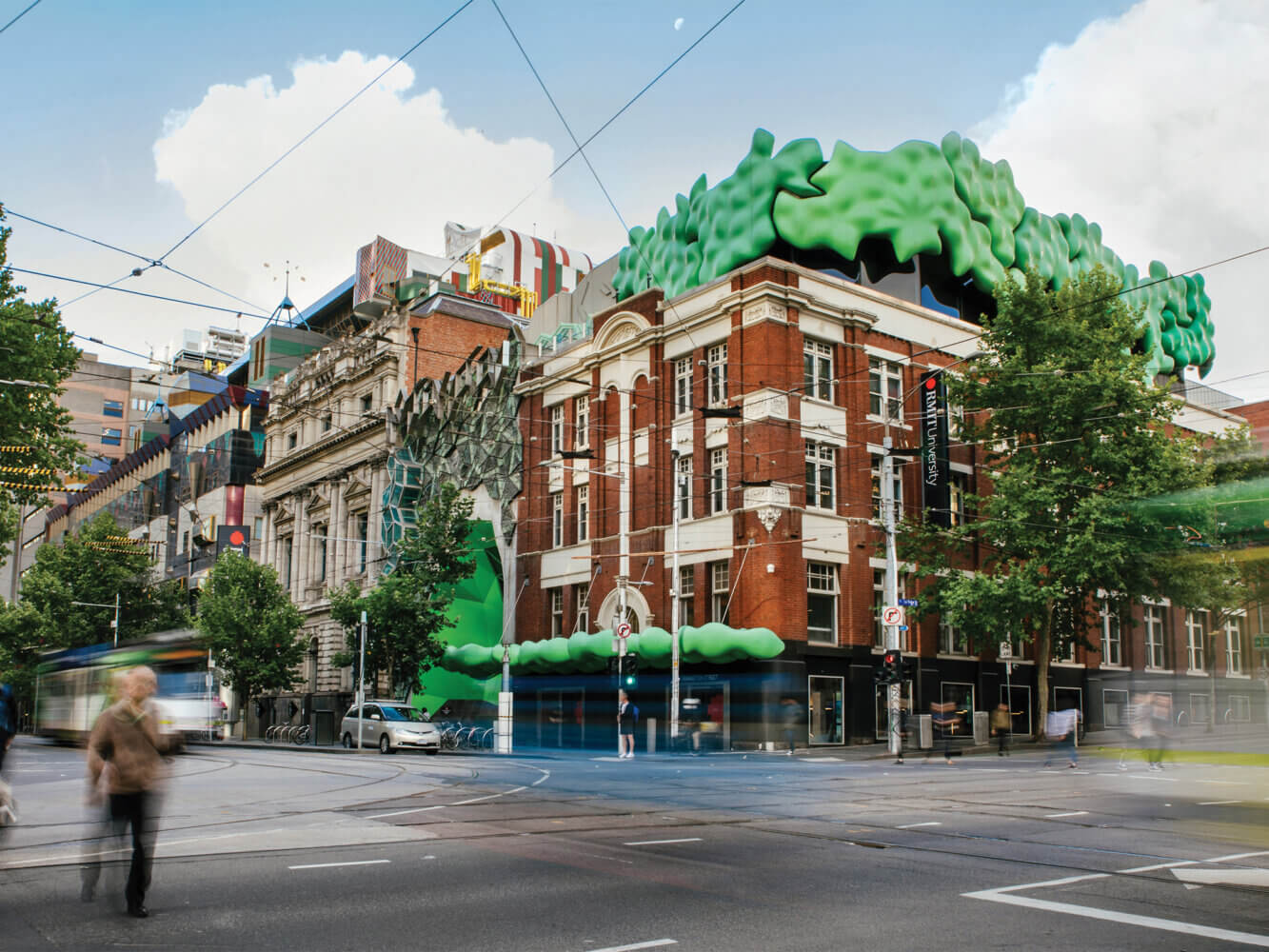
RMIT University (Royal Melbourne Institute of Technology) is a public university founded in 1887 in Melbourne, Australia, with an additional campus in Vietnam. It enrolls approximately 95,000 students, making it one of the largest universities in Australia, and its programs include RMIT's College of Business and Law and College of Science, Engineering and Health. RMIT is particularly known for its design, architecture, and fashion programs, reflecting its origins as a technical and applied-arts institution.
Don’t just apply; apply where you belong. Use GradRight’s AI platform to compare programs with other top-tier options based on real student outcomes, costs, and your unique profile.
Compare ProgramsAccess India’s first loan bidding marketplace to get competitive, low-interest education loan offers from 15+ top lenders, tailored to your aspirations.
Compare Loan OffersNavigate international health insurance requirements with ease. Get comprehensive, uni-compliant coverage that protects your health and your budget.
Check Insurance Plans
Don’t just apply; apply where you belong. Use GradRight’s AI platform to compare programs with other top-tier options based on real student outcomes, costs, and your unique profile.
Compare Programs
Access India’s first loan bidding marketplace to get competitive, low-interest education loan offers from 15+ top lenders, tailored to your aspirations.
Compare Loan Offers
Navigate international health insurance requirements with ease. Get comprehensive, uni-compliant coverage that protects your health and your budget.
Check Insurance PlansBased on current data, Sustainable Energy at RMIT University has a total cost of ₹60,98,355 and an estimated ROI (including loan interest) of 67% over a 24-months program. RMIT University's median graduate package is ₹45,00,000.
RMIT University requires a minimum TOEFL iBT score of 79 or an IELTS score of 6.5, along with a GPA of 2.00. GRE is not required and GMAT is not required for this program.
Trusted by 2,60,000+ students for their education abroad
 Australia +61
 Canada +1
 France +33
 Germany +49
 India +91
 Ireland +353
 UAE +971
 United Kingdom +44
 United States +1
By signing up, you agree to the Terms of Service and Data Processing Agreement
Enter the security code we sent to
By signing up, you agree to the Terms of Service and Data Processing Agreement