



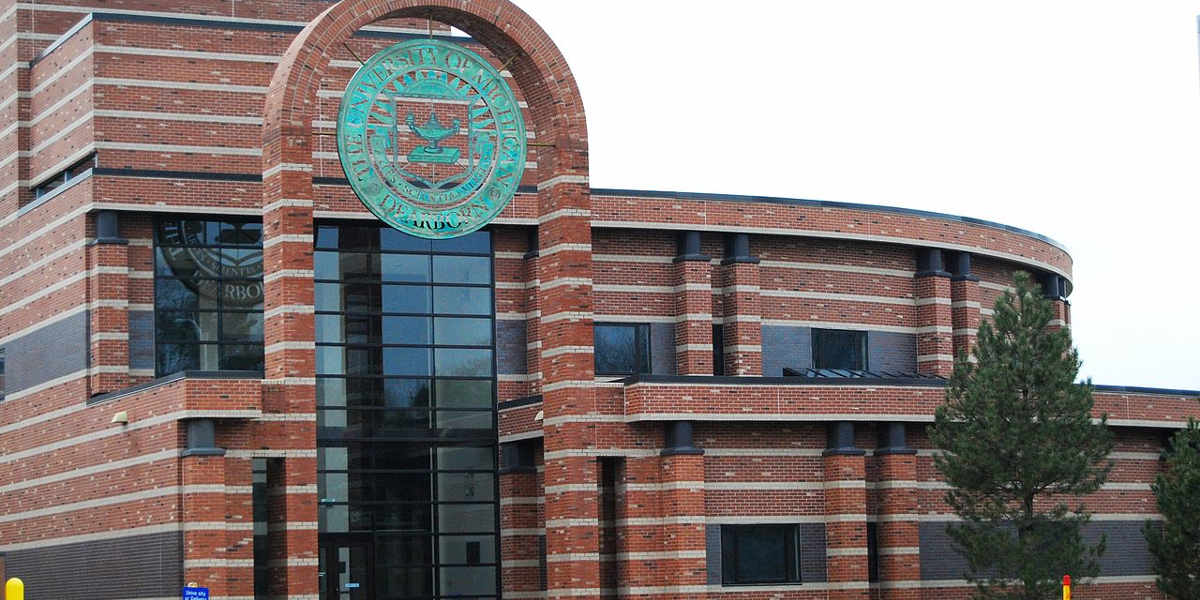

Dearborn, United States
This certificate program provides It covers basics of vehicle dynamics, free and forced vibration systems, acoustic wave propagations and transmission, acoustic interior trim and floor covering designs and analysis including Statistical Energy Analysis (SEA) technology, plus sound quality issues and vehicle audio system designs.
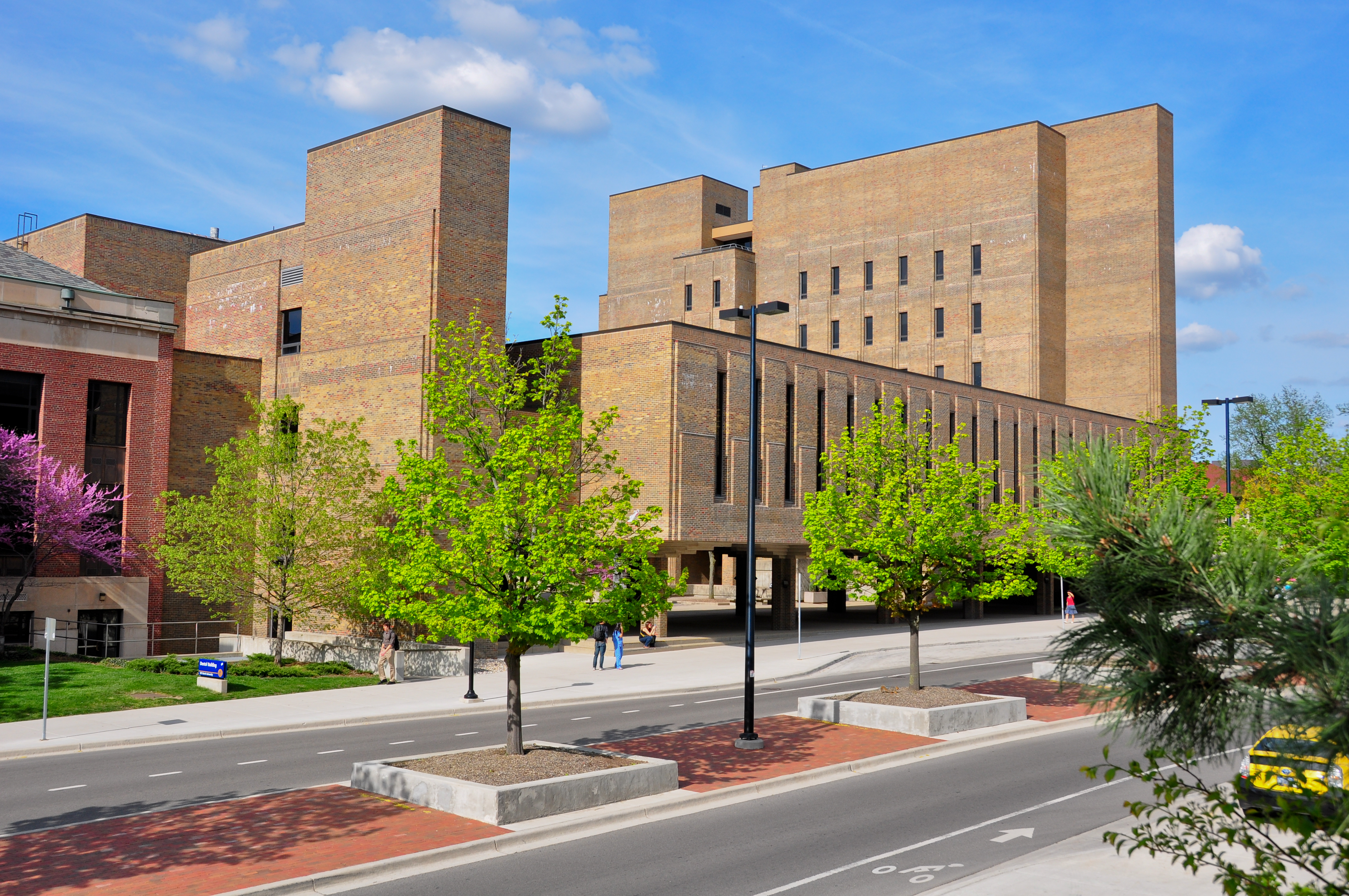
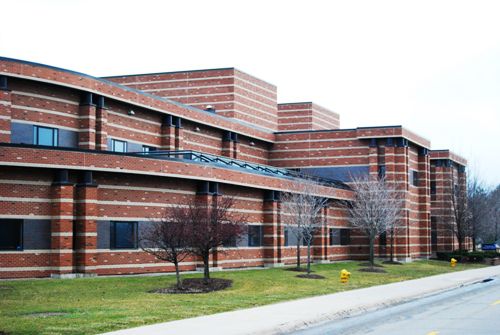
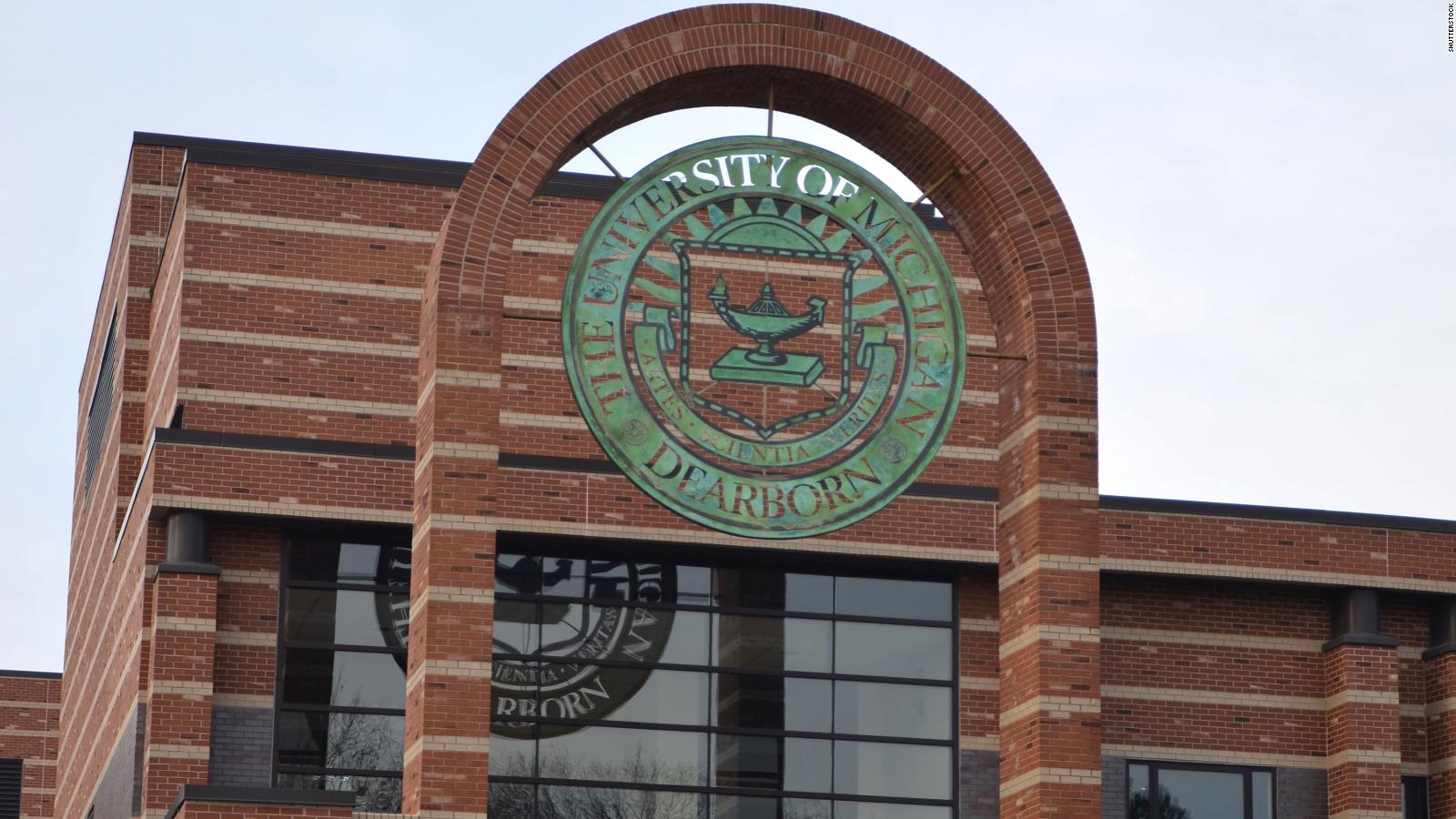
The University of Michigan-Dearborn is a public university founded in 1959 in Dearborn, Michigan, as a regional campus of the University of Michigan system, established with support from the Ford Motor Company on land donated by the Ford family. It enrolls approximately 8,500 students and its colleges include the College of Business and the College of Engineering and Computer Science. UM-Dearborn is particularly known for its engineering programs, reflecting its close historical and geographic ties to Detroit's automotive industry, and offers smaller class sizes than the University of Michigan's flagship Ann Arbor campus.
Don’t just apply; apply where you belong. Use GradRight’s AI platform to compare programs with other top-tier options based on real student outcomes, costs, and your unique profile.
Compare ProgramsAccess India’s first loan bidding marketplace to get competitive, low-interest education loan offers from 15+ top lenders, tailored to your aspirations.
Compare Loan OffersNavigate international health insurance requirements with ease. Get comprehensive, uni-compliant coverage that protects your health and your budget.
Check Insurance Plans
Don’t just apply; apply where you belong. Use GradRight’s AI platform to compare programs with other top-tier options based on real student outcomes, costs, and your unique profile.
Compare Programs
Access India’s first loan bidding marketplace to get competitive, low-interest education loan offers from 15+ top lenders, tailored to your aspirations.
Compare Loan Offers
Navigate international health insurance requirements with ease. Get comprehensive, uni-compliant coverage that protects your health and your budget.
Check Insurance PlansBased on current data, Automotive Noise, Vibration and Harshness (NVH) at University of Michigan Dearborn has a total cost of ₹28,25,198 and an estimated ROI (including loan interest) of 192% over a 12-months program. University of Michigan Dearborn's median graduate package is ₹59,44,220.
University of Michigan Dearborn requires a minimum TOEFL iBT score of 84 or an IELTS score of 6.5, along with a GPA of 3.00. GRE is not required and GMAT is not required for this program.
Trusted by 2,60,000+ students for their education abroad
 Australia +61
 Canada +1
 France +33
 Germany +49
 India +91
 Ireland +353
 UAE +971
 United Kingdom +44
 United States +1
By signing up, you agree to the Terms of Service and Data Processing Agreement
Enter the security code we sent to
By signing up, you agree to the Terms of Service and Data Processing Agreement