




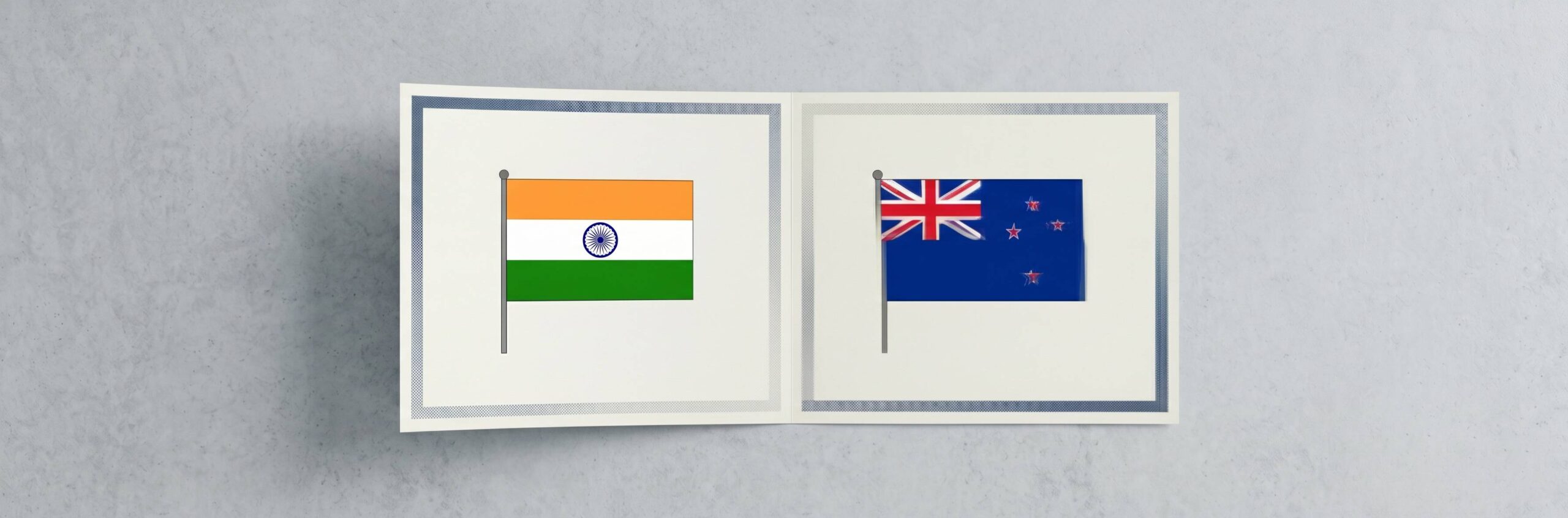
For the first time with any country, New Zealand has created a dedicated pathway for student mobility via dual degrees and Post Study Work Visas specifically for India. More than being a minor policy update, it’s a structural shift in how the two countries are approaching education together.
Commerce Minister Piyush Goyal and New Zealand’s Trade Minister Todd McClay met this week to discuss joint degree programmes, student exchanges, and mutual recognition of degrees, moves designed to strengthen people-to-people ties between the two nations.
What’s actually in the agreement:
- Dedicated student mobility pathway: first of its kind between India and any country
- Dual degree programmes being explored across universities in both countries
- 20-hour per week work guarantee for Indian students: no numerical cap
- Post Study Work Visas: up to 3 years for STEM bachelor’s and master’s graduates, up to 4 years for doctorate holders
- Working Holiday Visas for 1,000 young Indians annually, valid for 12 months
- New Temporary Employment Entry (TEE) Visa for Indian professionals in skilled occupations: 5,000 visas per year, up to 3 years
Why this matters for students right now
At a time when UK post-study work rights are shrinking and Canadian caps are tightening, New Zealand is moving in the opposite direction — deliberately opening doors for Indian students and professionals.
The dual degree proposal is particularly significant. It means Indian students could potentially earn qualifications recognised in both countries, improving employability across two job markets simultaneously.
New Zealand’s services imports from India already stand at USD 550 million — the demand for Indian talent is real, and this agreement formalises that relationship at the student level.
If you’ve been sleeping on New Zealand as a study destination, 2026 might be the year to wake up.
Source: Indian Express, April 2026





 Australia
  Canada
  France
  Germany
  India
India  Ireland
  UAE
UAE  United Kingdom
  United States