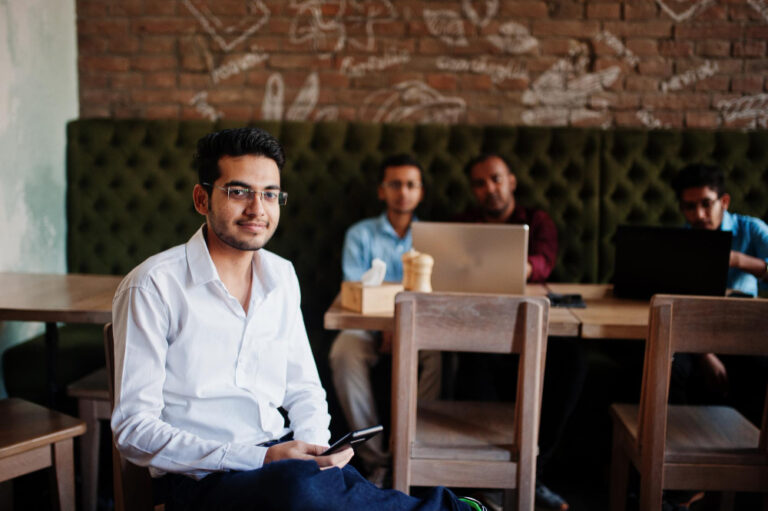





Studying abroad is one of the most exciting decisions a student can make, but it also comes with challenges that often remain unspoken. Social media highlights beautiful campuses, new friendships, and travel photos, but rarely shows the quiet moments of struggle that every international student experiences.
The problems faced by students studying abroad are not failures or signs of weakness. They are natural parts of living in a new country, far from family, culture, and familiar routines. Understanding these challenges makes it easier to prepare for them and overcome them with confidence.
Below are five of the most common issues students encounter, along with practical ways to manage each one. This guide is built around real insights from international students, common university reports, and global experiences shared online.
1. Homesickness appears even when students expect to be strong
Homesickness is far more universal than students assume. You can be independent, well prepared, and emotionally mature, but the moment you enter a new environment, the absence of home becomes real. You miss food, festivals, casual conversations, familiar roads, and even the smallest routines.
Homesickness and study abroad experiences show up in many forms:
- Feeling emotional during mealtimes
- Missing family conversations
- Difficulty adjusting to the time zone difference
- Feeling disconnected from familiar cultural cues
How to reduce the impact of homesickness
- Maintain regular but not excessive communication with family
- Create small routines that make you feel grounded
- Participate in cultural clubs and community events
- Find comfort in cooking familiar meals
- Give yourself time to adjust without pressure
Homesickness usually fades as you settle into a rhythm. It is a sign of connection to home, not a sign that you cannot succeed abroad.
2. Social isolation abroad becomes a quiet challenge
Even in busy campuses and crowded cities, many students feel alone during their first weeks or months. This is one of the most common problems faced by students studying abroad, especially for students who come from socially active environments or close family structures.
Social isolation abroad can happen because:
- You do not know how to start conversations naturally
- Cultural differences make interactions feel uncertain
- You hesitate to join groups because you assume others already have friends
- You want to fit in but are unsure how to
How to overcome loneliness abroad
- Attend orientation activities and welcome events
- Study in open spaces instead of staying alone in your room
- Join interest-based clubs and student societies
- Be open to friendships with people from different countries
- Take the first step in conversations, even if it feels awkward
Once you form even one or two connections, the feeling of isolation begins to fade.
3. Adapting to new social norms is harder than it looks
Cultural adjustment is often underestimated. Every country has its own norms about communication, humor, classroom behavior, social etiquette, and personal boundaries.
Students often struggle with adapting to new social norms such as:
- Calling professors by their first names
- Speaking more assertively in class discussions
- Standing up for personal boundaries
- Understanding local humor, sarcasm, or slang
- Adjusting to more individualistic or informal cultures
How to adapt smoothly
- Observe how classmates behave in different settings
- Ask seniors about common expectations
- Take your time and allow yourself to make small mistakes
- Learn cultural context through events, workshops, and local activities
Cultural adaptation is not about changing who you are. It is about learning how to navigate the social environment around you.
4. Building a support system overseas takes time
At home, support systems grow naturally. Abroad, you must create them from scratch. This is one of the most overlooked problems faced by students studying abroad, because students assume friendships will form quickly. In reality, it requires time, trust, and shared experiences.
Why building a support system overseas is difficult
- Everyone is adjusting at their own pace
- Students have different schedules
- You may hesitate to open up to new people
- Academic pressure takes priority
- Social circles form slowly
Ways to build a healthy support system
- Connect with classmates through group assignments
- Build rapport with roommates and neighbors
- Engage in student communities both online and offline
- Attend events hosted by cultural associations
- Seek mentorship from seniors and faculty
A strong support system makes the entire study abroad experience more fulfilling and manageable.
5. International student mental health issues often remain hidden
One of the most significant challenges for international students is maintaining emotional well-being. Many students carry academic pressure, financial concerns, and the stress of adjusting to a foreign environment. Yet, they hesitate to seek help due to stigma or fear of worrying their families.
International student mental health issues may include:
- Anxiety
- Burnout
- Sleep problems
- Feeling detached
- Difficulty focusing
- Low motivation
These issues are far more common than students realize.
How to protect your mental health
- Use university counseling services, which are confidential and free in most countries
- Create a routine that balances academics, rest, social time, and exercise
- Spend time outdoors, especially during stressful periods
- Practice healthy habits like cooking, journaling, or meditation
- Talk to professionals early instead of waiting for issues to grow
- Recognizing emotional challenges early is not a weakness. It is a responsible and realistic part of studying abroad.
Is it difficult to study abroad?
Studying abroad is not easy, but it is meaningful. The challenges you face help you grow into someone more independent, adaptable, and confident. The process teaches resilience and self-trust, qualities that shape the rest of your life.
The difficulties do not define your experience. Your response to them does.
Students who prepare themselves emotionally and socially are much more likely to transition smoothly, even when the journey feels overwhelming at the start.
Challenges of studying abroad and how to overcome them
Here is a clear and helpful summary for anyone planning to study overseas:
- Homesickness
Stay connected, build routines, join cultural groups.
- Social isolation
Initiate conversations, attend campus events, join clubs.
- Cultural adaptation
Observe, ask questions, and learn at your own pace.
- Building support systems
Develop friendships slowly, find community spaces, and seek mentorship.
- Mental health
Use support services, maintain balance, and take care of your emotional wellbeing.
Final thoughts
Studying abroad changes people, not just academically but personally. The problems faced by students studying abroad can feel heavy in the moment, but each challenge becomes a life lesson. Homesickness teaches emotional resilience. Social isolation teaches independence. Cultural differences teach adaptability. Building a support system teaches trust. Mental health awareness teaches strength.
These challenges shape students into global citizens who understand themselves better and appreciate their own growth.